









































If you’re planning a trade show or a conference for the first time, you may be surprised by just how much impact the music choices can have on the event. Selecting the right music for trade shows can go a long way in setting the tone and atmosphere of the event, consequently enhancing the attendee experience (and hopefully encouraging them to stay longer, or come back for more).
Before you begin the process of selecting and curating your song choices for the event, it’s important to understand the concept of music licensing, specifically in the context of trade shows and conferences. The short version: almost every trade show or conference needs an industrial music license, specifically a Business, Enterprise, or Custom subscription with Industrial distribution, because you’re playing music in front of people who aren’t your own employees. The rest of this guide walks through why, what it costs, and how to get set up.
Music Licensing for Major Events
If you want to understand music licensing for trade shows, conferences and expos, then you need to understand what an industrial distribution license entails.
An industrial music license is needed whenever you’re using a piece of music in any public, non-broadcast setting. The cases can be quite wide and varied, encompassing everything from a commercial film being shown at film festivals, a point-of-purchase display at stores and of course, any music being played at various events including trade shows, expos and conferences. Because an industrial music license caters to commercial entities outside of your own internal organization, it will most likely cost a little more due to the broader usage rights and potential revenue generation.
One industrial license covers all of the usage types below, and no, you’re not buying six separate licenses for one event. Think of the list in the next section as “the kinds of usage an industrial license needs to account for,” not a shopping list.

What type of license do I need?
When organizing trade shows and conferences where music will be played, several types of music licenses are typically required to ensure legal compliance and proper compensation for rights holders. You should pay attention to the event’s audience and purpose as this will inform which exact music licenses will need to be obtained.
- Public performance license. This type of license allows the legal use of copyrighted music in commercial or public settings, including when music is played over sound systems, performed live or used as background music in conference rooms, exhibition halls, or common areas during events (that’s exactly what we need in the context of a music license for expos).
- Sync license. If you’re creating videos or presentations that include music and will be shown during the event (maybe promotional videos, product demos or opening/closing sequences), then you’ll need a sync license for that.
- Mechanical license. Let’s say you’re distributing material such as downloadable content and it includes copyrighted music tracks, then you’ll need a mechanical license to do so legally. This license permits the reproduction of copyrighted music, typically for the creation of physical or digital copies of the music.
- Master Use License. A master use license is specifically required if you use a particular recording of a song in promotional materials or videos for your event, beyond just using the composition itself.
- Venue license. If you’re hosting a trade show or conference, the chances are you’re in a venue of some sorts. And if you’re in a venue, you probably need a venue license. You’ll want to check in advance, because some venues may already have blanket licenses that cover public performances of music on their premises, reducing the need for individual licenses by event organizers.
- Festival and events license. This one may be needed depending on what’s happening at your event. If there are multiple performance stages and venues, then you’ll probably need an events license which is specifically tailored for multi-day events.

Where to License Music for Trade Shows and Conferences
When it comes to obtaining a music license for conferences, expos and trade shows, Musicbed is your best bet. With fair pricing and streamlined ease-of-use, Musicbed is the standard of music licensing and the go-to resource for thousands of event organizers all over the world.
When you use Musicbed, you know that every piece of music you select is correctly licensed and ready for use in your project. With a large catalog of over 70,000 curated songs from 1,500+ artists, no hassle and no legal issues, it’s a no brainer for anyone looking at music licensing for trade shows and other large events.
Musicbed’s catalog also includes 150,000+ premium sound effects, useful for trade shows specifically, since a lot of what makes a booth or main stage feel polished isn’t just the playlist, it’s the transition stings, ambient textures, and sound design between segments.
Whether you’re hosting a trade show, organizing a conference or expo, we have a team of dedicated experts on hand who can assist you every step of the way, ensuring you obtain whatever you need, including industrial licenses.
What Single Song License Do I Need For a Conference or Trade Show?
If you’re looking to obtain a single song license for a conference or trade show, then there’s a few things you need to consider. Firstly, what type of event are you hosting? How many people will be attending (i.e. what is the audience size)? And how do you plan to distribute the music?
Most videos shown at conferences or trade shows will need a Business, Enterprise or Custom license with an ‘Industrial’ distribution. As a general reference point, Musicbed’s Business tier is built around coverage up to a certain audience size and organization scale. For larger attendee counts, multi-day expos, or events with paid promotion attached, you’ll likely need to step up to Enterprise or a Custom license instead. To find out exactly which applies to you, check out our pricing page or request a quote. For anything outside the standard tiers, our licensing team will scope it based on your specific event.
Once you’ve signed up with the applicable subscription tier, all you need to do is find the song you want, click download and you’re good to go!
The Difference Between External and Internal Events
It’s worth noting the difference between external and internal events. A Business, or Custom license with an ‘internal’ distribution can be used if the conference is an employee-only event, meaning all of the attendees are employees of a single company or organization.
An industrial music license is basically any non-broadcast usage that’s not covered by an internal license. Legally, while internal licenses focus on compliance within the organization’s framework, industrial licenses will have to align with broader industry regulations and commercial terms, impacting both legal responsibilities and financial considerations significantly.

How is Music Used at Major Events?
As we well know, music can play a significant role in enhancing the atmosphere and experience at trade shows and conferences. There are a multitude of ways in which you might want to use music at your own event.
Background Music in Common Areas
In common areas where attendees are moving between sessions or browsing exhibitor booths, you probably want to create a warm, welcoming and relaxed atmosphere. Having some soft instrumental music playing in lobbies, hallways and exhibition areas is a good way to do this.
Opening and Closing Ceremonies
A lot of openings of events look to energize attendees and set a tone for the rest of the event, while closing ceremonies aim to leave a lasting impression and signal the end of the conference. Upbeat, inspirational music can work best here.
Live Performances
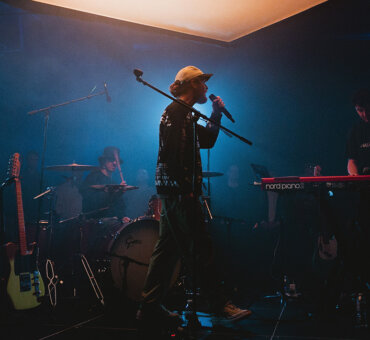
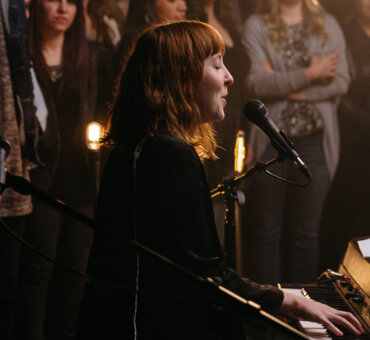
Nowadays, it’s almost the norm to have some sort of live performance from a band or DJ playing during the networking events, a cocktail reception or one of the after-parties that’s set up to entertain the attendees and encourage social interaction in more informal settings.
If you’re bringing in a live act, remember that licensing music you’ve selected for the rest of the event is a separate matter from the performer’s own set. But the atmosphere both create is part of the same equation. As pianist and composer Chad Lawson put it when describing his own relationship to live music: “I look at my career like a three-legged stool. One of those legs is streaming services, the second is licensing, and the third leg of the stool is live performance. I need all three running at once just in case one side starts to get a little wobbly.”
Product Demonstrations
Depending on the type of event being hosted, there may be product demonstrations involved. This often involves some sort of music which can enhance the narrative and create a more engaging experience that draws attention to the new product or service being showcased.
Promotional Videos and Presentations
Similarly, if you’re playing a promotional video or using a multimedia presentation during a keynote or at exhibit booths, then music will most likely be used here to support the messaging and make the content more engaging.
Transition Music Between Sessions
Short musical interludes can be played between conference sessions or speeches to signal transitions, maintain energy and keep the audience engaged while the stage is being reset or as people move between rooms.
Branding and Thematic Music
Pick out some music that aligns with the event’s theme or the brand’s identity. You can have this playing in key areas such as registration desks, keynote halls or sponsor booths, as a way to reinforce the event’s message and create a cohesive experience.
If you already have a reference track in mind, Musicbed’s Search by Song™ tool can surface similar options from the catalog, and each track’s Details tab breaks down genre, instruments, mood, and key so you don’t need a music background to know if it fits. As Frame.io editor Sondy Lucille described it: “One feature I particularly appreciate is the Details tab, where you can see a track’s genre, instruments, mood, characteristics, and even key. This helps non-musicians understand what resonates about a track and refine future searches.”
How much does licensing music for a trade show typically cost?
Cost depends mainly on three factors: how many people will be at your event, how long the event runs, and whether you’re distributing any paid promotional content tied to it. As a rough guide:
- Single-location trade show or conference, standard attendee size: typically covered by a Business subscription with Industrial distribution.
- Multi-day expos, larger audiences, or events with significant paid promotion: usually require stepping up to Enterprise or a Custom license.
- One-off or unusually large events: Musicbed’s licensing team can scope a Custom license based on your specific event details: audience size, venue, duration, and distribution.
The most reliable way to get an exact number is to request a quote with your event’s specifics on hand: expected attendance, number of days, venue type, and whether any promotional video or paid media is planned around the event.
Frequently asked questions
Yes. Any music played in a space where non-employees are present, including ambient or background music in common areas, requires a public performance license as part of your industrial music license.
Sometimes, but don’t assume it. Some venues carry a blanket license covering public performance of music on their premises, which can reduce what you personally need to obtain. Confirm this directly with the venue before your event. If they don’t have one, the licensing responsibility falls to you as the organizer.
Often yes, but multi-day events with multiple stages or venues may need a festival and events license instead of a standard single license. This depends on the scope and structure of your event, so it’s worth confirming with one of our licensing specialists before you finalize your music plan.
You risk copyright infringement claims from the rights holder, which can include cease-and-desist letters, financial penalties, and in some cases legal action.
It depends entirely on the audience. If every attendee is an employee of your own organization, an internal license may apply. If any attendees are outside your organization – if they are clients, prospects, the public, press – then it’s an industrial event, even if it’s hosted at your own office.
Wrapping up
So, that’s the ins and outs of music licensing for trade shows, conferences and expos. Music choice is important for setting the tone and atmosphere of an event. To do all of that legally, you’ll need the correct industrial license.
Having read this article, you should now have a solid idea of what’s needed for your own specific event, based on its size, duration, and audience. At Musicbed, we have a team of dedicated experts ready to help you find both the right song and the correct license to go with it — request a quote or explore the catalog to get started.