





























































If you’re a professional videographer, filmmaker, creator – whatever you want to call it – then you need to have a great demo reel. A demo reel is usually the first point of contact potential clients will have with your work. It needs to show off your skills with a camera to the best of your ability, but it’s not just the visuals that matter here.
The short version: the best demo reel music is a properly licensed track that runs about 60 to 90 seconds. Usually it’s instrumental or has light vocals. It has a clear build and a real ending, and it sounds like the work you want to be hired for. The rest of this guide covers how to find that track, how to cut to it, and which Musicbed license covers a reel.
If you want to create a great demo reel, you also need to think long and hard about what type of showreel music you’re going to use. The type of music you opt for will heavily dictate the feel of your showreel – what’s the emotional impact? Does it feel professional? It reflects who you are as a creative and a person, while also showing off your skills as an editor.
Choosing music for a demo reel comes with its own unique set of challenges, including the need for proper, legal licensing. We’re here to break it all down for you and simplify the process.

Where to Get Music for Demo Reels
If you’re on the hunt for demo reel music, you need to find a reliable platform or source with plenty of music options. For many filmmaking professionals, Musicbed has been the go-to source for years.
We offer a wide range of licenses, including custom options. Whatever your specific needs are, you’ll always be legally covered and free to use the song as you wish. With over 70,000 curated songs from more than 1,500 artists and composers in our catalog, plus 150,000+ sound effects, you’ll always be able to find the perfect showreel music.
Plenty of reels start with a song you can’t use. You’ve been cutting to a track from your own playlist for weeks and it fits perfectly. Now you need something that sounds like it but can actually be licensed. That’s what Search by Song™ is for.
Paste in any artist or song in the world and Musicbed shows you hundreds of tracks from its own collection that match the tone and feel. Then use the Details tab on any track to check its key, mood, instruments, and characteristics. That way you’re comparing candidates on the things that matter for an edit, rather than scrolling by genre.
Why the right showreel music is important
Choosing the right music for demo reels is crucial because it sets the tone and style, which enhances the overall impact of the reel. Here’s why it’s important:
Emotional Connection. We all know how music has the power to evoke emotions. The right track can amplify the emotional resonance of your work, making the visuals much more compelling. If your showreel showcases dramatic, intense scenes then a powerful, orchestral score might be appropriate. For lighter, more playful reels, an upbeat, rhythmic track could work better. It really depends on how you want viewers to feel when they watch.
Pacing and Flow. Music dictates not just emotion but the rhythm of your reel. A well-matched track can guide the pacing, ensuring that transitions between clips feel natural and dynamic. Fast-paced music is going to create a sense of urgency or excitement, while slower music can evoke thoughtfulness or tension.
Cohesiveness. Your showreel likely contains a variety of clips from different projects. Your choice of music really helps to tie these diverse elements all together, creating a cohesive narrative or mood throughout the reel. It’s a unifying thread that connects different visual styles and themes.
Professionalism. It’s worth remembering that the right music choice demonstrates your attention to detail and your understanding of how sound and visuals work together in film. It reflects your ability to curate and edit content in a way that feels polished and intentional, which is crucial when you’re trying to impress potential clients or employers.
Memorability. A well-chosen track should make your reel more memorable. You want it to reflect who you are and stand out from the crowd, leaving a lasting impression on the viewer. Catchy, impactful music will stick in someone’s mind long after they’ve finished watching your reel.

Can You Use Any Music in Demo Reels?
Using music for demo reels requires a license. When creating your new showreel, using unlicensed music poses significant legal risks. Music has and always will be protected by copyright laws, so any unauthorized use can lead to legal action from the rights holders. This includes fines, removal of content and in some cases even lawsuits. Even if the showreel is for personal promotion or non-commercial use, copyright infringement can still apply because it involves distributing someone else’s work without their permission.
To avoid these issues, filmmakers always need to obtain the proper licenses for any music included in their showreel. This usually involves securing either a synchronization license, which allows pairing music with visual content (as offered on Musicbed), or using royalty-free music, where the rights have already been cleared for use. When you acquire these licenses, you ensure that you have legal permission to use the music, which protects you from potential lawsuits (including hefty fines).
Beyond the legal aspects, obtaining the proper licenses reflects your professionalism and attention to detail. Using licensed music demonstrates respect for the work of other creators and shows a commitment to producing high-quality, legitimate content. It also ensures that the showreel can be shared freely across platforms without the risk of being taken down for copyright violations, which could limit its reach and effectiveness for your business.
Three Myths that Get Reels Taken Down
“It’s under 30 seconds, so it’s fair use.” There is no 30-second rule. Fair use is a legal defense decided case by case. Using a song to make your own promotional video look better is about the weakest version of that argument you can make. Length doesn’t change it.
“I credited the artist in the description.” Crediting the artist changes nothing legally. The rights holder still decides who can pair their music with video, and a name in a caption doesn’t grant that.
“It’s not monetized. It’s just on my website.” Copyright doesn’t care whether you made money. A reel exists to win you work, which makes it commercial by any reasonable reading, but even a personal video needs a license.
What Actually Happens on Each Platform
Lawsuits over a reel are very rare. The more common outcome is that your reel gets muted, blocked, or buried, usually at the worst moment. YouTube’s Content ID scans every upload, and it can mute the audio, block the video in some countries, or run ads on it that pay the rights holder instead of you.
Vimeo’s Copyright Match works the same way and tends to remove the video outright. Instagram and Facebook mute or block posts that match a commercial recording.
Licensed music can still trip these systems, because the automated scan doesn’t know you paid. That’s the gap SyncID™ closes on Musicbed as it lets you clear a YouTube claim on a licensed track directly, so your reel stays up and monetized without waiting on a manual review.
Two related terms worth knowing: “royalty-free” means you pay once and don’t owe ongoing royalties, but you still need a license. “Copyright-free” music barely exists, even a public domain composition usually comes as a recording that someone owns.
Which Musicbed License Covers a Demo Reel?
A demo reel is promotional use, and which Musicbed plan covers it depends on who’s publishing it.
Individual. Built for freelance filmmakers, wedding filmmakers, creators, and podcasters. Covers web use, podcasts, and social accounts up to 1M followers, with sound effects included. If you’re a solo shooter or editor publishing your own reel, this is the one for you.
Business. For production companies, agencies, brands, and non-profits, with the same web and social coverage plus client and brand work for clients with up to 250 employees. If you publish the reel under a production company name, or it’s the company’s reel rather than yours, start here. Employee count means the global headcount of the business publishing the video, full-time and part-time.
Enterprise. For large brands and any project that needs broadcast, cinema, VOD/OTT/CTV, or social accounts over 1M followers. Rarely needed for a reel, but relevant if you’re a studio cutting a reel for a network pitch.
Pay Per-Project. A single-song option if you’d rather license one track for one reel than subscribe. Note that monetization is only included on subscriptions, so if your reel lives on a monetized YouTube channel, a subscription is the safer route.

Can I reuse a track from a client project in my reel?
This one comes up a lot, and the short answer is: not automatically, because a license covers a specific project and use. Showing a clip from the finished client film inside your reel, with that film’s original audio, is generally fine because you’re showing the licensed work. Lifting the song out and laying it under new footage, or under a montage of several projects, is a new use of the music. That needs its own license.
A subscription makes this simple: your own reel is covered as one of your projects, and you can recut it every year without going back to license anything.
How to Choose Music for Demo Reels
Choosing the right music for a showreel is an important part of the project as it sets the tone and enhances the impact of the visuals. Start with the three fundamentals. Then work through the practical calls that decide whether a reel gets watched or clicked away.
Mood
The music choice should reflect the overall emotional tone you want to convey in your showreel. If your reel is filled with dynamic, high-energy clips, an upbeat, driving track can help to amplify that excitement. For the more dramatic or serious footage, a slower, more atmospheric piece will be a better fit. Matching the music’s emotional tone to the visuals goes a long way in determining how the audience feels about your work, reflecting your skills and understanding as a filmmaker.
Tempo
The tempo of the music should complement the pacing of the visuals. So fast-paced music works well for reels with quick cuts, action sequences or intense movement, while a slower tempo gives room for more reflective, thoughtful moments. Syncing up those key beats or changes in the music with transitions or visual highlights helps in creating a more cohesive and engaging experience.
Genre
Again, the music genre should align with the style of the work being showcased. For instance, electronic or hip-hop tracks may suit modern, urban-themed visuals, while classical or orchestral pieces might work better for more elegant or cinematic content. Always consider your audience and the type of projects you’re aiming to attract; the genre you select should resonate with them.
One caveat from an editor who does this for a living:
“When I search through Musicbed, I never filter by genre, because I’m already bringing a preconceived notion of who I believe this individual is. It always starts with attributes and the emotion. If I need this to feel intense and dark, I let the genres come to me. Genre is irrelevant if the song hits the emotion.” – Lucas Harger, Editor, Case Study: 3 Ways Editor Lucas Harger Selected Music for An 8 Episode Docuseries
Length
Keep the whole reel between 60 and 90 seconds, and never past two minutes. The people you’re trying to impress (producers, creative directors, agency leads) watch a lot of reels. They decide in the first 10 to 15 seconds whether to keep going.
Your track needs to be doing something interesting by then, and your strongest shot needs to be on screen. If the song’s intro is 20 seconds of pad before anything happens, cut the intro or pick another song.
“In commercials, music is incredibly important. Music instantly tells you how to feel. And when you only have thirty seconds or a minute, music can jumpstart emotion.” – Wes Whitener, Creative Director & Co-Founder, Guesthouse, Why Wes Whitener Tells Stories with Surprise, Mystery & Relatable Truths
One Track, Several Tracks, or Bookends
For a montage-style reel, one track is almost always right. It gives the reel a single arc and makes your cuts feel deliberate. If your reel includes dialogue or sound design moments you want people to hear (documentary work, narrative scenes, sound-heavy commercials), you have two options.
Duck the music under those moments and bring it back up. Or bookend the reel: music up front, then a dialogue section in the middle with the track pulled right down. The same track returns to close. Either way, strip the original mix from the client clips first. Two soundtracks fighting each other is the fastest way to make a reel feel amateur.
Instrumental or Vocals?
Instrumental is the default for a reason. Lyrics pull attention toward the song and away from your work, and they collide with any dialogue or voiceover you keep in. That said, a track with light or sparse vocals can work well for wedding and lifestyle reels, where warmth matters more than precision. Vocal builds also give you strong moments to cut to.
The test is simple: mute the picture and listen. If the song is the main event, it’s the wrong song for a reel.
“We really liked the music. It wasn’t competing with the VO, and it had this structure that let the words really shine.” – Alex McClelland, Art Director, Wieden+Kennedy, The Creative Choices Behind Ford’s Stunning Bronco Brand Release
Pick a Track with Structure
You edit a reel to the music, so you want a song with clear sections. That means an intro you can trim, a build, a drop or peak you can land your best shot on, and a real ending.
Avoid tracks that fade out, because a fade makes the reel feel unfinished. End on a hard button instead. On Musicbed, the Details tab shows key, mood, and characteristics, which helps you spot tracks that go somewhere over 60 seconds rather than sitting in one place.
“The songs in my mind were perfect for and matched the progression and build of the film. They had a progressive pace and build to the BPM that I really liked and was stoked that I found it all in one place.” – Max Hinton, Content Lion, Musicbed Awards: October’s Official Selections
Match the Music to the Work
A wedding filmmaker, a YouTube creator, and a commercial director should not be cutting to the same track. Wedding clients respond to emotion and warmth. Brands and agencies want to see that you understand their world. If you’re chasing automotive or sports work, the music should sound like it belongs in that category.
Producers and creative directors want proof you can execute, and a track that sounds like their last campaign tells them that faster than anything you can say. If you work across categories, cut two or three short reels rather than one long one that tries to please everyone.
When it comes to the editing of your showreel where you’re matching the music to those visuals, think about how the rhythm and dynamics of the track align with your footage. Pay attention to the key visual moments—the camera movements, cuts, or action sequences—and try to sync them with shifts in the music, like a beat drop or crescendo. The music should always support and enhance the storytelling, but not overshadow it and become the main event. By carefully matching the mood, tempo, and genre of the music to the tone and rhythm of the visuals, you’ll be well on the way to creating a seamless and compelling showreel.
The practical order matters. Pick the track first, drop it on the timeline, mark the beats and section changes, and then place your shots. Editors who do it the other way round spend hours nudging clips to make a song fit, and it still feels slightly off.
“Music is a foundational element in shaping the tone and pacing of any piece, so I knew I needed to search Musicbed and lock in the right tracks early to guide the edit.” – Sondy Lucille, Editor, Frame.io, Case Study: Using Musicbed to Soundtrack a Frame.io Branded Doc
Common Demo Reel Music Mistakes
- The overused trailer cue. If the track has been in fifty other reels, it reads as generic before your first shot lands. Search by Song helps here: find the feel you want from an artist nobody else in your niche is using.
- Music louder than the work. The mix should sit under your visuals. If viewers remember the song and not the shots, the reel failed.
- A slow intro. Nobody waits 20 seconds for a reel to start. Trim the song or open at the first hit.
- The fade-out ending. End on a hard cut and a final chord. A fade tells the viewer you didn’t know how to finish.
- One reel for every client. A wedding client and an agency producer want different things. Cut for the job you’re pitching.
- A track ripped from a streaming service. It will get flagged, usually right after you’ve sent the link to a client.
Showreel examples
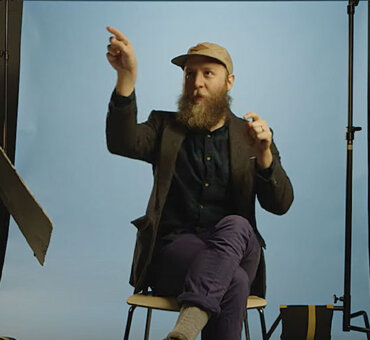
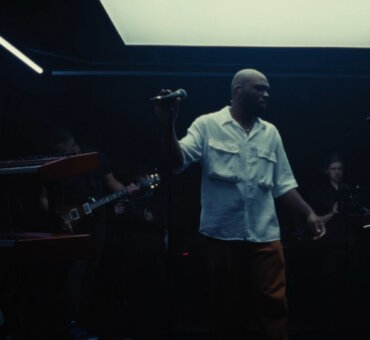
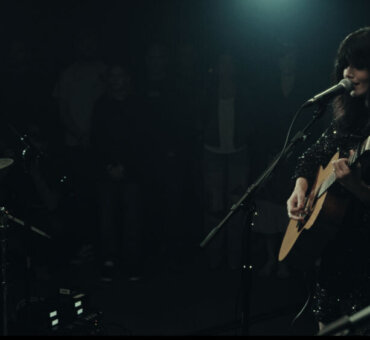
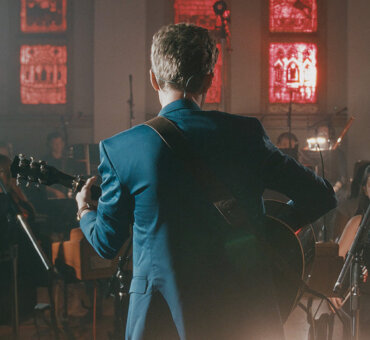
Take a look at some of our favorite showreel examples over the past year and think about how the music plays a key role in each.
FAQs
Copyright applies whether or not the video earns money, and a demo reel exists to win paid work, which makes it promotional use. You need a sync license for any commercial recording you pair with video, even on a personal website.
Yes. Hosting the video yourself doesn’t change the rights involved. It removes the automatic platform scan, but not the legal exposure, and most reels end up on Vimeo, YouTube, or Instagram eventually.
As long as the reel, which should be 60 to 90 seconds and never more than two minutes. Choose a track with a trimmable intro and a definite ending so you can hit that length without a fade-out.
Usually not. Instrumental tracks keep attention on your footage and don’t fight with dialogue. Light or sparse vocals can work for wedding and lifestyle reels where warmth matters. If the song is the main event, pick another one.
The Individual plan covers freelancers publishing their own reel. Production companies, agencies, and brands need the Business plan. Enterprise applies to broadcast, cinema, or accounts over 1M followers, and a Pay Per-Project license covers a single track for a single reel but does not include monetization.
Not by default, because the original license covers that project. Showing the finished client clip with its own audio is generally fine; laying the song under new footage is a new use and needs its own license. A Musicbed subscription covers your reel as one of your own projects.
Wrapping up
Using licensed music in showreels is vital to avoid legal risks and ensure professionalism, as unlicensed tracks can lead to penalties and content removal. The right music enhances the emotional tone, pacing, and cohesiveness of the reel, making it more memorable and impactful for potential clients. To choose the best track, consider the mood, tempo, and genre that match your visuals.
If you’ve already got a reference track in your head, that’s the place to start. Create a free Musicbed account (no credit card needed), paste that song into Search by Song, and pull three or four candidates that hit the same feeling. Drop each one on your timeline, mark the beats, and see which one makes your best shot land harder. That’s usually the one.