




























































Your cut is nearly locked. The client has been living with the temp track for three weeks and now genuinely believes it’s the song. Somebody on your team, maybe you, has to go get it, or find something close enough that nobody notices the swap. If you’re producing, directing, or editing the spot, that’s usually the moment you realize you don’t actually know how music licensing for a TV commercial works.
Here’s the short version. Licensing music for a TV spot means clearing two separate rights: the song itself and the specific recording of it. What you pay depends almost entirely on how recognizable that song is and how far your campaign will air, not on some fixed licensing fee that applies to every project. A pre-cleared track from a library like Musicbed can run a few hundred dollars and clear in days. A recognizable song on a national campaign can run into six figures and take weeks to negotiate.
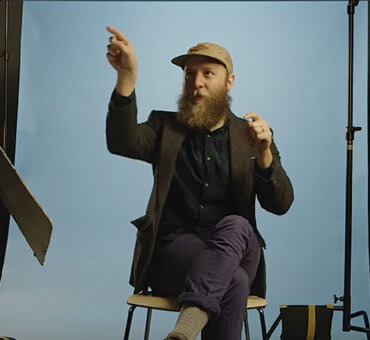
As creative director Wes Whitener puts it, “In commercials, music is incredibly important. Music instantly tells you how to feel. And when you only have thirty seconds or a minute, music can jumpstart emotion.” That’s exactly why the licensing side deserves as much attention as picking the right track in the first place.
What “sync rights” actually mean for a TV commercial
When people talk about “sync rights for a TV ad,” they’re talking about the license that lets you pair a piece of music with your video. On its own, that license doesn’t cover you. Every recorded song carries two separate copyrights, and you need permission from both sides before you can legally run it in a commercial.
The first is the composition: the actual song, its melody, lyrics, and chord structure. This is owned by the songwriter or their publisher, whether or not it’s ever been recorded.
The second is the master recording: the specific, produced version of that song you actually want to use. This is usually owned by the artist or their label. Two different artists can record the same song, and each holds separate rights to their own version, which is part of why re-recorded albums exist at all.
A sync license grants you permission to use both together, for a defined use: a specific project, a specific length of time, a specific territory. But it doesn’t hand you ownership of the song. You’re renting the right to use it under agreed terms, while the people who wrote and recorded it get compensated when you do. Musicbed’s guide to IP rights goes deeper into how copyright, sync, and master rights all fit together, if you want the full picture.
There’s one more piece worth knowing that most guides skip. When your commercial airs on broadcast TV, a cue sheet listing every piece of music used typically gets submitted to a performing rights organization, like ASCAP or BMI. That’s how the songwriter gets paid a performance royalty every time the spot airs. It’s not a fee you owe on top of your sync license, but it’s rather paperwork. It’s usually your production team or agency’s job to get it right, so it’s worth knowing it exists before your spot goes to air, not after.
What does it cost to license music for a TV commercial?
There’s no single number here, and anyone who quotes you one without asking about your campaign is guessing. What you’ll actually pay comes down to three things: how recognizable the song is, how far and how long your campaign runs, and whether you need exclusivity. Exclusivity means no competitor can use the same track.
As a rough guide, based on general industry estimates rather than any one library’s rate card:
Pre-cleared library music, like Musicbed’s catalog of 70,000-plus curated songs, may run from a few hundred dollars to a few thousand, depending on your usage scope.
Emerging or independent artist tracks licensed directly often land somewhere in the low thousands.
Recognizable songs from established or major-label artists can run anywhere from the tens of thousands to well over $100,000 for a national campaign, and higher still for globally famous tracks with heavy exclusivity demands.
Most of these deals are structured as a one-time flat fee tied to your specific usage terms, not an ongoing cut of ad revenue. That’s standard practice, and it’s one less thing to negotiate. Exclusivity is usually where the number moves the most. Locking a track so a competitor can’t touch it costs more than a non-exclusive use. Ask for a quote both ways before you assume you need it.
There are really two paths here, and they lead to very different budgets. If you’re choosing from a pre-cleared catalog, cost is predictable and usually listed upfront. If you’ve already got a specific song in mind, maybe something client-mandated, or a temp track nobody wants to give up, that’s a different deal. You’re negotiating rights that were never priced for your exact use case, and that’s where costs and timelines both stretch out. At Musicbed, that second path runs through Custom Licensing: a specific song, priced and quoted for your actual project, whether that’s a national broadcast campaign or an exclusive multi-year deal. It’s worth budgeting for music the same way you’d budget for any other production line item, early, and with room for the unexpected.
The timeline: when to start and how long clearance actually takes
Timing matters just as much as budget, and it’s the one thing almost nobody plans for early enough.
If you’re working from a pre-cleared library, clearance can happen in a matter of days. That’s realistic to finalize during the edit itself, even close to delivery.
If you’re licensing a specific, well-known song, budget for real negotiation time. Two to eight weeks is a realistic range once you factor in reaching the right rights holders, agreeing on terms, and getting contracts signed. That means the conversation needs to start before your offline edit locks, not after. A locked cut built around a song you haven’t actually cleared yet is a gamble, and it gets more expensive the closer you get to the air date.
Once terms are agreed, the paperwork moves at its own pace too. Sync fee payments commonly run 30 to 90 days from signing. If the deal includes performance royalties down the line, those can take six to twelve months to actually reach the artist through their PRO. None of that holds up your air date. But it’s worth knowing the full timeline doesn’t end the moment the contract gets signed.
The rule of thumb: the bigger and more exclusive the deal, the earlier it needs to start. Treat music licensing the same way you’d treat any other line item with lead time attached, not something you sort out after the edit is done.
How to license music for a TV commercial, step by step
Here’s the process, start to finish.
- Define your usage first. Nail down territory, media (broadcast TV, plus any digital or social cutdowns), how long the campaign runs, and whether you need exclusivity. Everything else depends on these answers.
- Decide your path. Are you choosing from a pre-cleared catalog, or is there a specific song already locked into the creative? This one decision determines your cost and your timeline more than anything else on this list.
- Search and select. If you’re going the catalog route, this is where tools like Musicbed’s Search by Song™ and curated playlists earn their keep. You can find something close to a reference track without chasing down rights holders one by one across a library of 1,500-plus artists.
- Request a quote for anything outside standard terms. National broadcast, exclusivity, or a specific artist not already cleared for your intended scope all need a custom conversation, not a checkout button.
- Get the agreement in writing before you lock picture. Confirm exactly what’s covered: which media, which territories, how long, and whether it’s exclusive. This is also where a pre-cleared platform saves real time. Its terms are already standardized, so you’re not drafting a bespoke contract from scratch the way you often are going direct to an artist or label.
- Hold onto the paperwork after the spot airs. If the campaign expands to new markets, extends its run, or gets challenged, that agreement is what protects you.
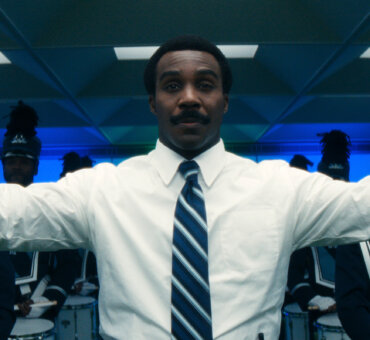
Director Goh Iromoto went through a version of this process on one of the biggest stages in advertising, The Farmer’s Dog’s Super Bowl spot. “I didn’t want the song to just be a soundtrack,” he said. “I wanted to integrate it as part of the dialogue. Music was a constant discussion, and we were throwing around quite a few tracks. Once we saw the edit come together, we all knew it was the right song.” Even at that scale, the fundamentals don’t change: know your usage, get the rights sorted, and don’t leave it until the last minute.
Common mistakes that blow up your budget or your timeline
A few mistakes come up again and again, and all of them are avoidable.
Locking picture to a temp track before confirming it can actually be cleared. The client falls in love with the temp. The edit gets built around it. Then it turns out the rights holder wants five times the budget, or won’t grant national exclusivity. Confirm clearance is realistic before you build the edit around a specific song, not after.
Treating digital and broadcast rights as the same thing. They’re usually licensed and priced separately. If your campaign includes social cutdowns or a digital pre-roll version alongside the TV spot, that needs to be specified in the license, not assumed to be covered automatically.
Skipping exclusivity until it’s too late. If there’s any chance a competitor could use the same track, or already has, that’s a conversation to have upfront, not after your spot has aired and someone on the client side notices.
Assuming a standard subscription covers broadcast use. Broadcast TV usually needs its own scope of rights beyond what a standard catalog subscription covers. Confirm this before you build a budget around an assumption instead of an actual quote.
Forgetting the license needs to survive beyond launch week. Campaigns get extended. Spots get repurposed for a new region. Budgets get approved for a second flight months later. If your original license only covers a fixed term or territory, you’ll be back at the negotiating table. And this time you’ll have less leverage, since the creative already exists and everyone knows it. Ask about extension terms while you’re negotiating the first deal, not after the campaign takes off.
Frequently asked questions
Yes. The composition and the master recording are two separate copyrights, and both need clearing. A sync license alone doesn’t automatically include the master, so confirm both are covered in whatever agreement you sign.
It depends mostly on how recognizable the song is and how far your campaign reaches. Pre-cleared library tracks can run a few hundred to a few thousand dollars. A well-known song on a national campaign can run into six figures. Treat any number you hear as a starting point for your own quote, not a fixed rate.
“Royalty-free” doesn’t mean license-free. You still need a license for your specific use. It just means you’re not paying ongoing royalties on top of it. The real difference with a curated platform like Musicbed is clearance speed and consistent quality, not the absence of a license.
As early as possible, ideally before your offline edit locks. That’s especially true if you’re licensing a specific, well-known song rather than choosing from a pre-cleared catalog, since negotiation alone can take weeks.
Not automatically. Broadcast and digital rights are often licensed separately, so if your campaign includes social cutdowns or online pre-roll, make sure that’s specified in your license terms rather than assumed.
Wrapping up
Licensing music for a TV commercial comes down to three things. Know what you’re actually clearing: both the song and the recording. Budget realistically for how recognizable and far-reaching your campaign is. And start early enough that music never becomes the thing holding up your air date.
Most of the time, a pre-cleared catalog gets you there fastest, with clear pricing and clearance in days instead of weeks. When there’s a specific song your team already has in mind, Custom Licensing is built for exactly that conversation.
Either way, you shouldn’t be figuring this out three days before delivery. Browse the Musicbed catalog to find something pre-cleared and ready to go, or request a quote if you already know the song and just need someone to handle the rest.
Featured image by Jessica Lim, Stills.com