







































No matter what kind of project you’re working on as a filmmaker, music licensing is always going to matter. But if you’re prepping a festival submission, it matters in a very specific way, because in a few weeks you’re going to be asked to prove it.
Most festival entry forms ask you to sign a declaration that every piece of music in your film is cleared, and plenty ask you to attach the paperwork that proves it such as a license agreement, a cue sheet, sometimes both. Get this wrong and you’re risking disqualification before your film even screens.
This guide covers what festivals actually require at submission, which license covers you (and which doesn’t), and why the choice you make now can save you from paying for the same rights twice once your film starts getting real distribution interest.
Can You Submit Films to Festivals with Copyrighted Music?
Technically, yes. Most festivals aren’t going to run a copyright audit on your film before it screens. Here’s the thing almost every guide on this topic gets wrong: it’s not that festivals catch unlicensed music, it’s that they usually don’t. Several major festivals, including Sundance, have said as much directly: they don’t verify that you’ve cleared your material, and they won’t be held responsible if you haven’t. That responsibility sits with you, the filmmaker, the moment you sign the submission form.
Don’t take it as a loophole. It’s actually worse, because the risk doesn’t disappear because it just moves further down the road, to the moment it can hurt you most: a distribution offer, a streaming deal, a broadcast sale, all of which require proof that everything in your film is cleared. An uncleared track that slipped through festival submission can quietly kill a deal worth far more than the festival itself.
There’s also a more immediate risk. Nearly every festival submission agreement includes language where you personally warrant that you own or have licensed all copyrighted material in the film. If that turns out to be false, festivals reserve the right to disqualify you, pull the film from the program, or revoke an award (even after the fact). So while nobody may be checking your paperwork at the door, you’re still legally on the hook for what you signed.

What Festivals Actually Ask For at Submission
If you’ve submitted through FilmFreeway or a festival’s own portal, you’ve probably seen some version of this in the entry requirements:
- A signed declaration that you own or have licensed all music, footage, and other copyrighted material in your film
- A music cue sheet listing every track used, its timing, and the rights holder
- A copy of your license agreement or composer’s agreement for each piece of music
Some festivals only ask for the declaration up front and request the paperwork later if your film is shortlisted. Others want everything attached at submission. Either way, “I found it online and it seemed free” isn’t documentation and neither is a Creative Commons license. Most festivals explicitly reject Creative Commons and “copyright-free” claims, because those licenses rarely cover the specific use a film festival actually needs: public screening, potential distribution, international play.
This is the part that trips up a lot of independent filmmakers: it’s not enough to have a song you’re allowed to use. You need a document that proves it: one with the rights holder’s name, the scope of the license, and your name on it. When you license a track through Musicbed, that documentation comes with every download, so you’re not scrambling to produce it the week before a submission deadline.
What License Do You Need to Use a Song in a Film?
There are six major forms of music licenses, but for a festival submission, three of them are what you’ll actually deal with.
Synchronization License (Sync License). This is the one that matters most. A sync license gives you permission to pair a piece of music with your film. Musicbed’s entire platform is built around sync licensing, covering everything from festival submissions to commercials to streaming.
Master License. This covers the specific recording you’re using (the actual audio file) as opposed to the composition underneath it. It’s usually issued alongside a sync license, and together the two are what let you use a specific song, performed by a specific artist, in your film. You need both; one without the other doesn’t fully clear you.
Public Performance License. Covers screening your film to an audience, which is exactly what a festival is. More on this below, since it’s the one most people misunderstand.
The other three (mechanical, print rights, and theatrical licenses) mostly apply to physical reproduction, printed sheet music, and stage performance, none of which usually come up for a festival film. You can find the full breakdown of all six license types here if you want the complete picture.
Festival License vs. Universal License: Which Should You Get?
Here’s a choice a lot of filmmakers don’t realize they’re making: some licenses only cover festival screenings. If your film gets picked up for distribution, streaming, or a broadcast deal afterward, that narrower license doesn’t carry over. This means that you’ll need to go back and license the same track again, this time for the new use.
This can be expensive, especially if the artist or rights holder has since raised their rates, or if you’re negotiating from a position where you need the rights fast to close a deal. A track you loved might not even be available once it’s already synced elsewhere.
The smarter move for most festival submissions, especially if you have any hope of distribution, is a broader license that covers festival screening and whatever comes next streaming, broadcast, theatrical, international. It usually costs more upfront than a festival-only license, but it almost always costs less than licensing the same song twice.
If you’re not sure which one your project needs, that’s exactly what Musicbed’s licensing team is for.
How To Acquire Music For Films
Acquiring music for a festival submission doesn’t have to be complicated. Start by signing up for one of our subscription tiers — no credit card required to browse.
From there, explore the catalog. Musicbed’s collection has grown to more than 70,000 curated songs and 150,000+ sound effects from 1,500+ artists and composers around the world, all cleared for film, TV, and advertising use. Every track is hand-picked by our in-house curation team — we accept less than 1% of the artist submissions we receive, so what makes it into the catalog is there because it’s genuinely good, not just available.
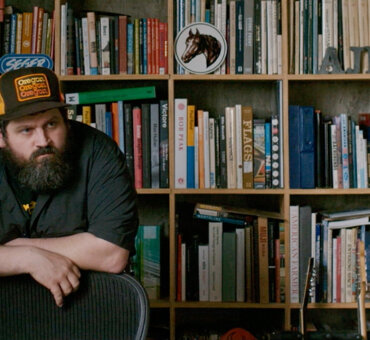
It’s made by filmmakers for filmmakers. There are so many composers in the Musicbed library who work as full-time TV and film music composers, which, in turn, is reflected in the work. Every song in the Musicbed collection has been thought about in terms of story, emotion, tone, and style.
Mark Bone, Documentary Filmmaker
Once you’ve found the track you want, you can license it directly, or use Search by Song™ to find similar options if you’re chasing the tone or feel of a specific reference track.
What Single Song License to Use for Film Festivals
To enter your film into a festival through Musicbed, you’ll want a custom license — one built around your specific project and its planned use, rather than a standard subscription download. Custom licenses are negotiated with a member of our licensing team based on your festival, your distribution plans, and how you’re hoping to use the track down the line.
Requesting a quote is simple within your Musicbed account. It helps to have as much detail ready as possible when you reach out: which festival, whether you’re hoping for distribution afterward, and how the track is used in the film. The more specific you are, the more accurately your license can be scoped to actually cover you — which, per the section above, is the whole point.

What is a Public Performance License?
As the name suggests, a public performance license grants you permission to publicly display or perform copyrighted music in a public setting. For film screenings, this license is what legally authorizes the use of copyrighted music within your film when it’s shown to an audience — whether that’s a festival theater, a public screening, or anywhere else people are watching together.
Film festivals usually include multiple screenings across the festival’s run, and a public performance license covers all of them, protecting both you and the festival from copyright issues tied to the screening itself. Without it, even a soundtrack that’s fully cleared on paper could technically run into problems the moment it’s played for an audience — which is why it’s worth confirming this is included in whatever license you secure, custom or otherwise.
After the Festival: Why This Paperwork Matters for Distribution
Say your film does well. A distributor, streamer, or broadcaster shows interest. Before any of them move forward, they’re going to ask for one thing a lot of indie filmmakers underestimate: Errors & Omissions (E&O) insurance.
E&O insurance protects a production against claims like copyright infringement, and it’s a standard requirement for distribution deals, streaming acquisitions, and broadcast sales. Here’s the part that matters for this guide: insurers won’t issue or activate an E&O policy without documented proof that everything in your film — including the music — has been properly cleared. In short: no documentation, no policy; no policy, no deal.
Musicbed has an extensive library that feels curated — not just a pile of tracks. I appreciate that we can give them our budget, usage requirements, and general direction, and they’ll help narrow things down. There’s nothing worse than finding the perfect song only to discover it’s way outside your budget. Musicbed simplifies that process.
Stephen Cozzarelli, Head of Production, Bryght Young Things
This is why the license you choose before your festival run matters more than most filmmakers realize. Getting a broader license upfront, with proper documentation attached, means that when the opportunity shows up, you’re already ready for it.
Wrapping up
The filmmakers who get it right aren’t the ones who found a technically-legal loophole. They’re the ones who treated licensing as part of production, not an afterthought. They get the right scope of rights upfront, and have the documentation ready before anyone asks for it. Musicbed is built to make that part easy: a curated catalog, licenses that can scale from a single festival screening to full distribution, and a paper trail that’s ready the moment you need it.
Frequently Asked Questions
Most don’t verify clearance themselves. Instead, they have you sign a declaration or warranty confirming the music is properly licensed, and hold you responsible if that turns out to be false, including disqualification or revoking an award after the fact.
A sync license is the license type that lets you pair music with video at all. A “festival license” refers to the scope of that sync license — some are limited to festival screenings only, while others (universal or broader licenses) also cover distribution, streaming, and broadcast.
Usually not without extra scrutiny. Most festivals require documented rights specific to public screening and potential distribution, and Creative Commons licenses often don’t cover those uses. Many submission forms explicitly reject “copyright-free” claims as insufficient documentation.
Not for the submission itself. But if your film gets picked up for distribution, streaming, or broadcast afterward, you’ll likely need it — and insurers require documented music clearance before they’ll issue a policy.
Typically a signed declaration that the music is cleared, and sometimes a music cue sheet and a copy of the license agreement. Requirements vary by festival, so check the submission guidelines directly.