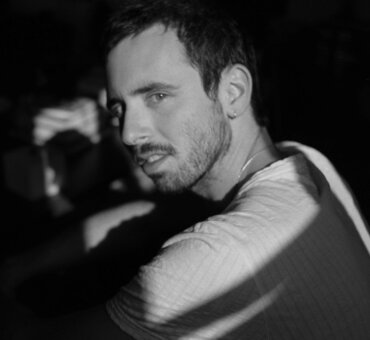
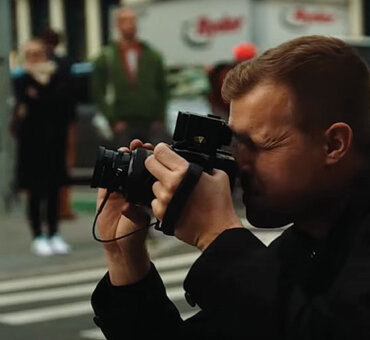
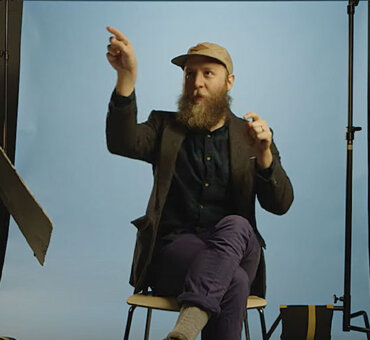
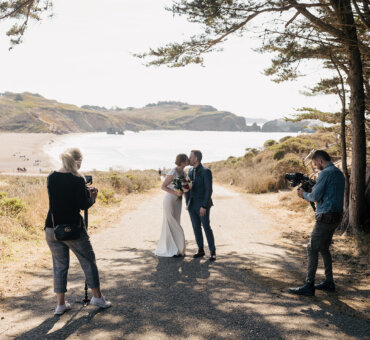
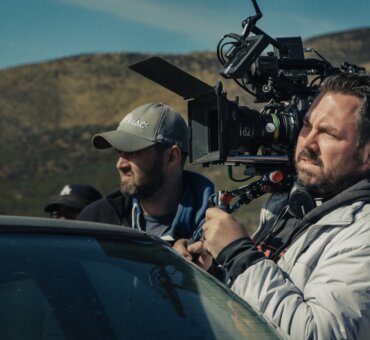
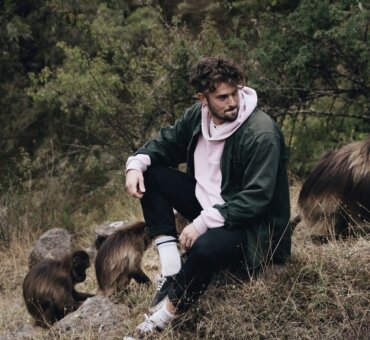

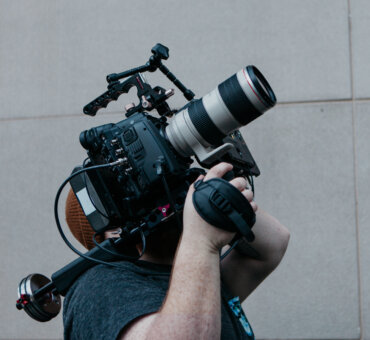
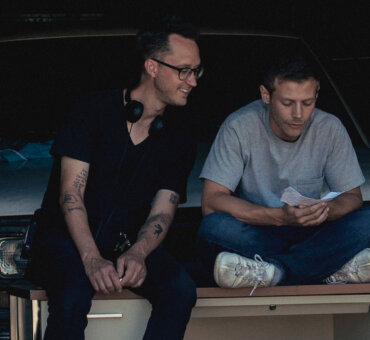
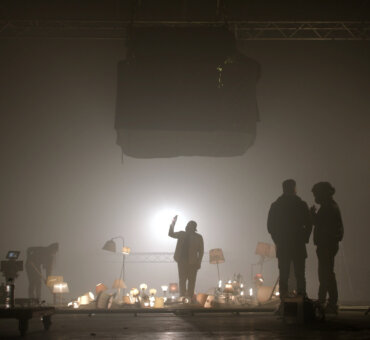
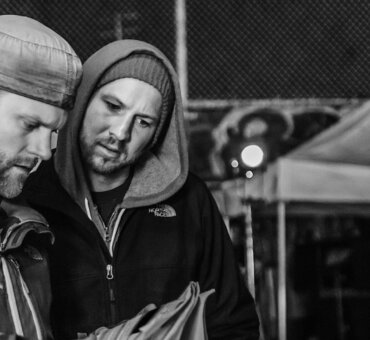

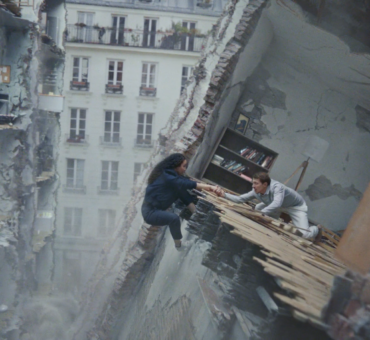
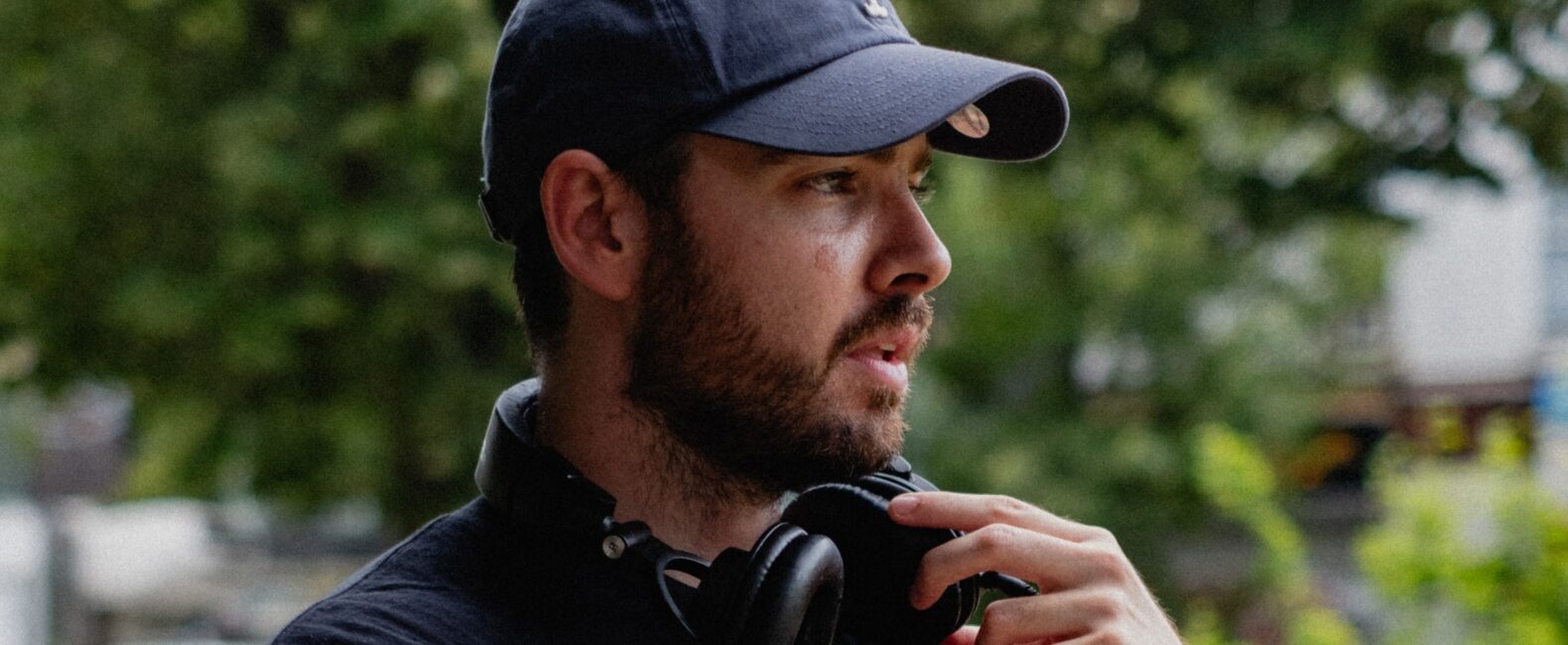
For DGA Director Parker Foster, the best work starts with trusting your gut. From filming skate videos with friends to directing deeply personal, award-winning films, Parker has built his career by chasing stories that feel honest.
We talked with him about taking creative risks, finding freedom in limitations, authentic storytelling, and why music has become an essential writing partner in bringing his most authentic ideas to life.
MUSICBED: Talk to us about your start in filmmaking. What sparked your interest in film, and how did that transition into your career?
Parker Foster: Everything started with skateboarding. I think I was 12 or 13 when I got my first camera and took it to the park with my friends to document us skating.
From there, I would make skate montages with songs I was listening to and started watching the music videos for those songs. This was around 2011-2012, so the music videos I watched were using the same cameras as me, such as the Canon T2i, 5D, and 7D. This sort of made me realize that I had the tools to make the music videos I was watching and that I could be making them as well.
RELATED READS: The Art of the Music Video: A Conversation with Mathy and Fran
So in high school, I started shooting music videos for artists in my city, Dallas. Funny enough, one of the first concerts I filmed was with a rapper at my school named Post Malone. His first show was about 15 people, and it was one of the first shows I ever filmed. It’s so wild looking back and seeing that as my starting point.
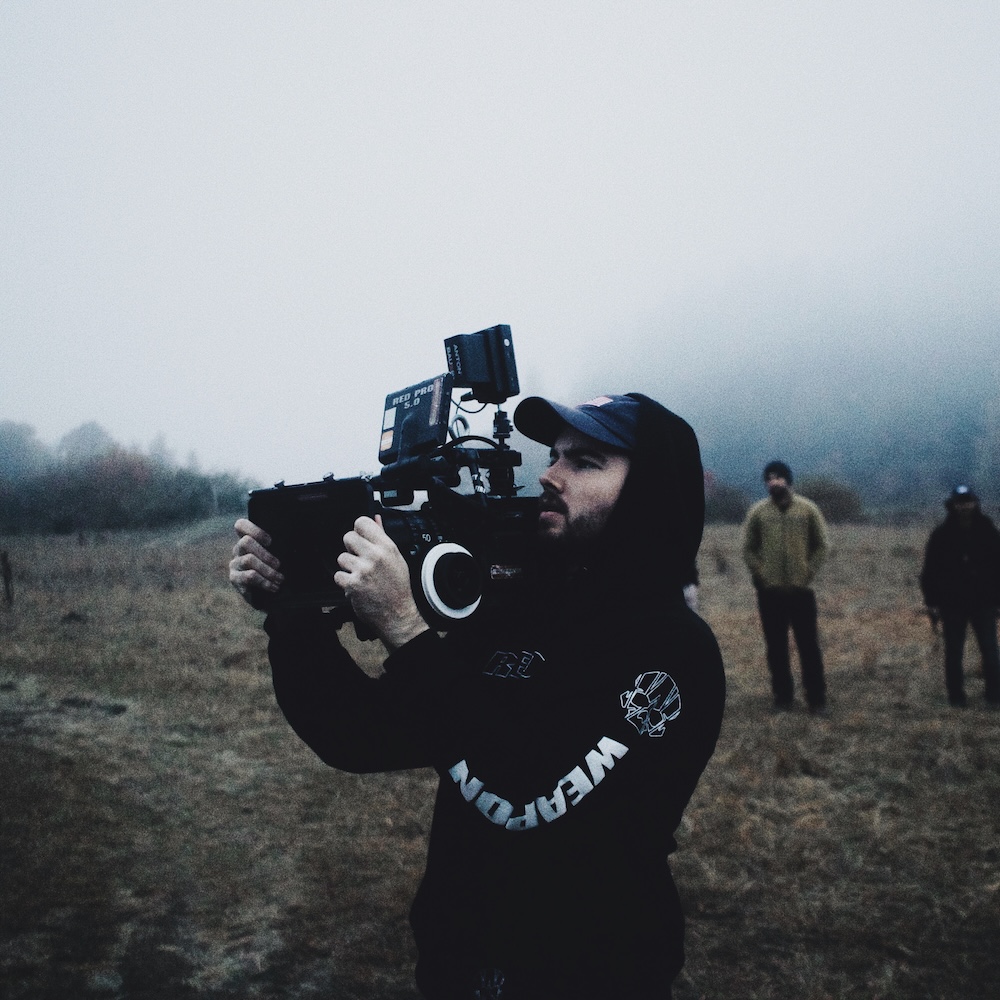
From there, I went all in on music videos, shooting them every weekend, and ended up winning the Dallas Filmmaker of the Year while in high school. Skateboarding was truly the entry point for all of this to happen.
I moved to Chicago to be more embedded in the music scene and eventually signed with a talent agency that moved me out to LA when I was 21. That was the launchpad into my career.
What have been some pivotal moments or projects that shaped your career?
I feel like every pivotal moment was when I took a risk and did something out of my comfort zone—just followed my gut into a project. One of the first pivotal moments was dropping out of college and choosing to go full-time into freelance filmmaking at 18.
I had support from my family to chase my dreams, but there was still that feeling of “what if I mess this up?” I think that fear of failure actually made me work harder because the worst thing in my head was failing and not seeing my dreams come to fruition.
RELATED READS: If You Aren’t Failing, Then You Aren’t Trying.
As far as projects go, the suicide awareness PSA I made in 2021 called “Be Here Now” changed everything for me. More so with how I approached projects and trusting my gut when it came to making something because I felt like I had to.
A lot of people told me not to make it because it was too edgy and raw and dark, but it was something I was making out of my own firsthand experience, and I knew it had to be made.
After I made it, it was one of my first projects to win awards and get national attention. It reinforced for me the importance of listening to my inner voice and trusting myself: if I want to tell a story, I need to find a way to make it happen. That has carried me since, and that inner gut feeling has never led me the wrong way.
RELATED READS: Parker Foster’s Award-Winning Musicbed Challenge Submission
What standout projects or collaborations have been the highlights of your career so far?
Would also have to be Be Here Now. That project was such a lightbulb moment for me on how to approach personal projects.
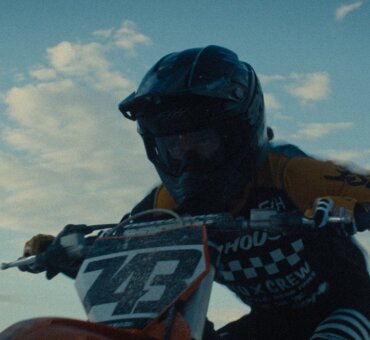
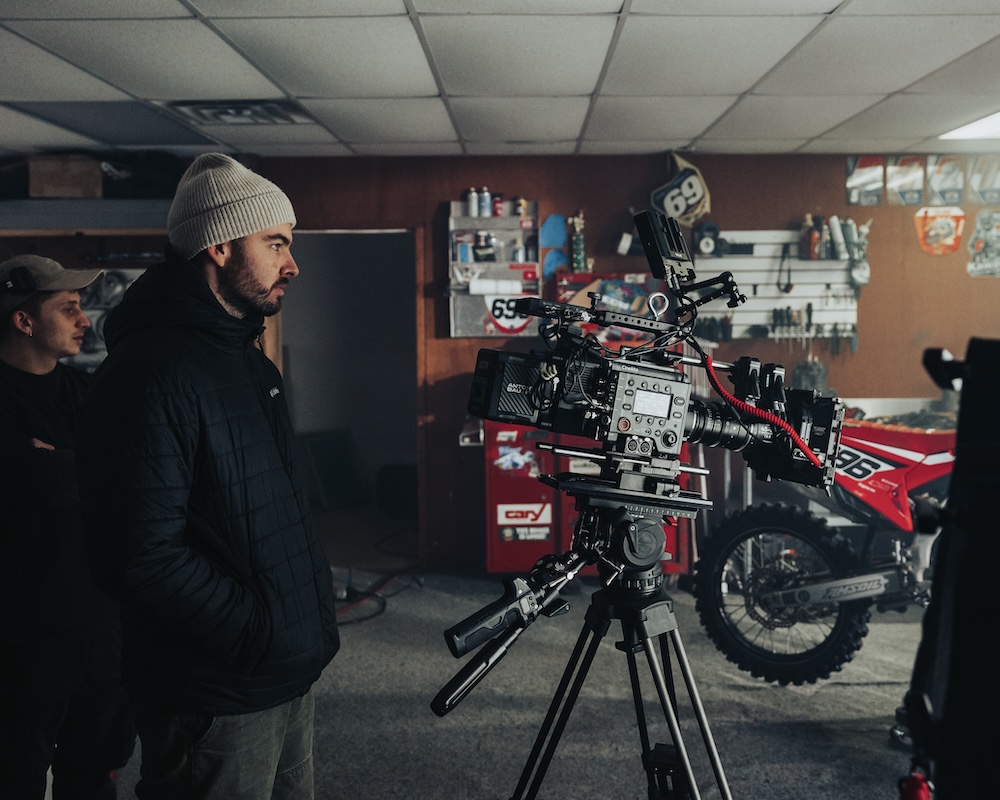
After that, it was a moto piece I made with Jane Moto. I wanted to go back to my skate roots and make a skate-type film, but with dirtbikes. I walked into a moto shop (Jane Moto), around the block from my apartment in Brooklyn, and pitched them this idea I had.
They said no, but I truly believed in this and went back home, made a pitch deck, and asked them if I could show it to them.
I came back in and basically said, “If you say no, I will still go make this, ’cause I believe in this and I believe in the brand.” Either they believed in me or just wanted me to stop bothering them because they gave me some money, and we went out for 2 weeks and made their brand film.
It was one of those lightning-in-a-bottle projects.
Looking back, what advice would you give to your younger self when you were starting out?
I was given this same advice earlier, and it’s the best: trust the process. Don’t try to rush your story and just focus on the present and what you wanna tell in your work.
I think we get so overwhelmed with work we see on social media and get this overwhelming feeling that we aren’t doing enough or that we aren’t producing the exact quality, so we end up just not making work.
I’ve found that just going out and making something made me happy. And usually, it was the projects I made with no budget and limited resources that felt the most freeing. I think my younger self was playing the comparison game too often.
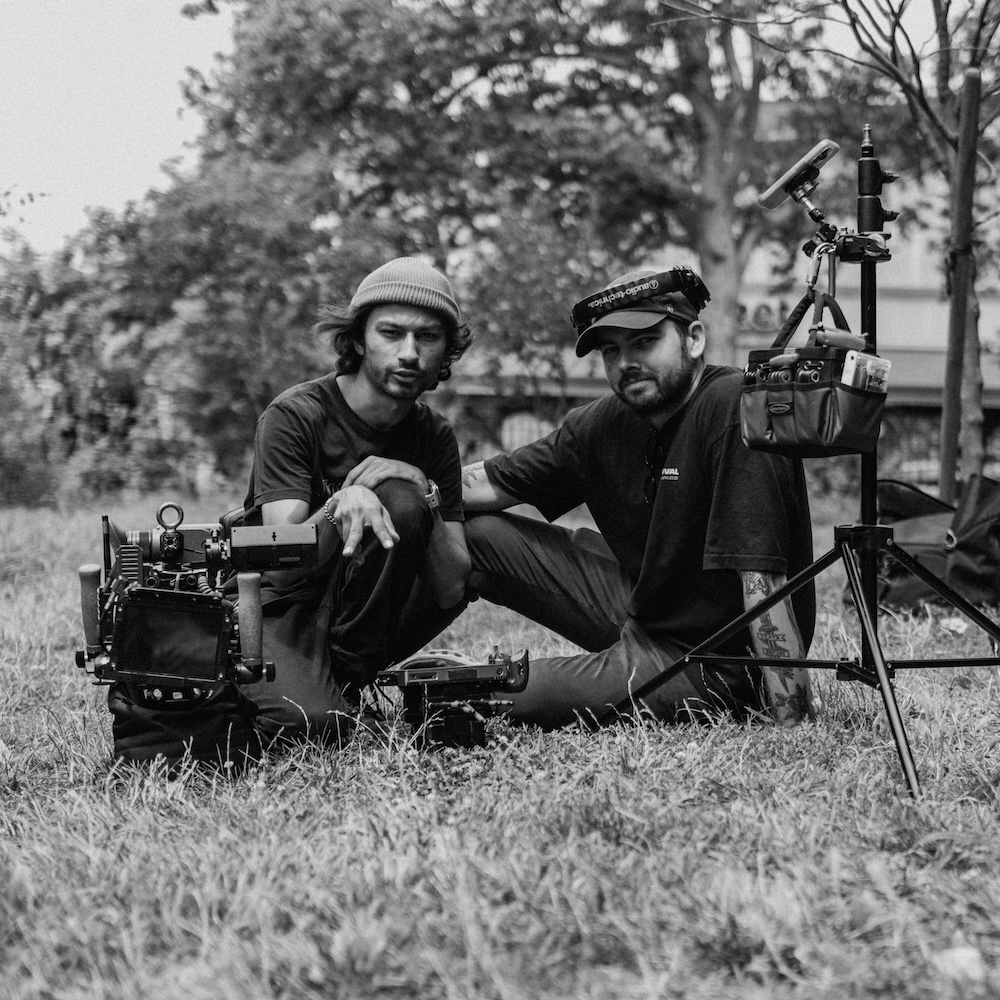
And while it’s almost hard to not do that, I’ve learned that going out with the mindset of “What story do I need to tell now?” has led to my most honest and fulfilling work.
I still struggle with those thoughts. It feels like I always need to give myself a constant reminder that I’m doing enough and I’m on the right track.
What elements do you think are essential for crafting a compelling story?
For myself, I think the WHY behind what you are doing is the most important element. I feel like you can tell when someone is phoning something in and treating the work in an inauthentic way.
It’s the same when you watch something and feel so connected to the subject matter. Even if you can’t relate to it, you can feel it inside of you. I think that happens because the artist behind it really knew what their WHY was and were able to just show it.
Once you can identify your WHY, the process of directing, casting, shooting, editing, etc., will reveal itself to you because you know what needs to happen to bring that WHY to life.
RELATED READS: Notes on Authenticity from Musicbed’s VP of A&R
Talk to us about the importance of music in your work. How do you go about picking music? And how do you know when you’ve picked the “right” music for your project?
That is such a great question. Music is really the creative tool I use as a writing partner. I feel the music helps me craft and build my stories.
Music really is the launchpad for all of my creative work. It helps me dig deeper into my WHY and into my ideas.
I’ve found a lot of my music by accident. I’ll hear something when I’m in a bookstore or cafe and then stand in a corner, whispering to Siri, asking her to tell me what song it is. Or I’ll listen to film scores I love and see who the composers are and what other music they have.
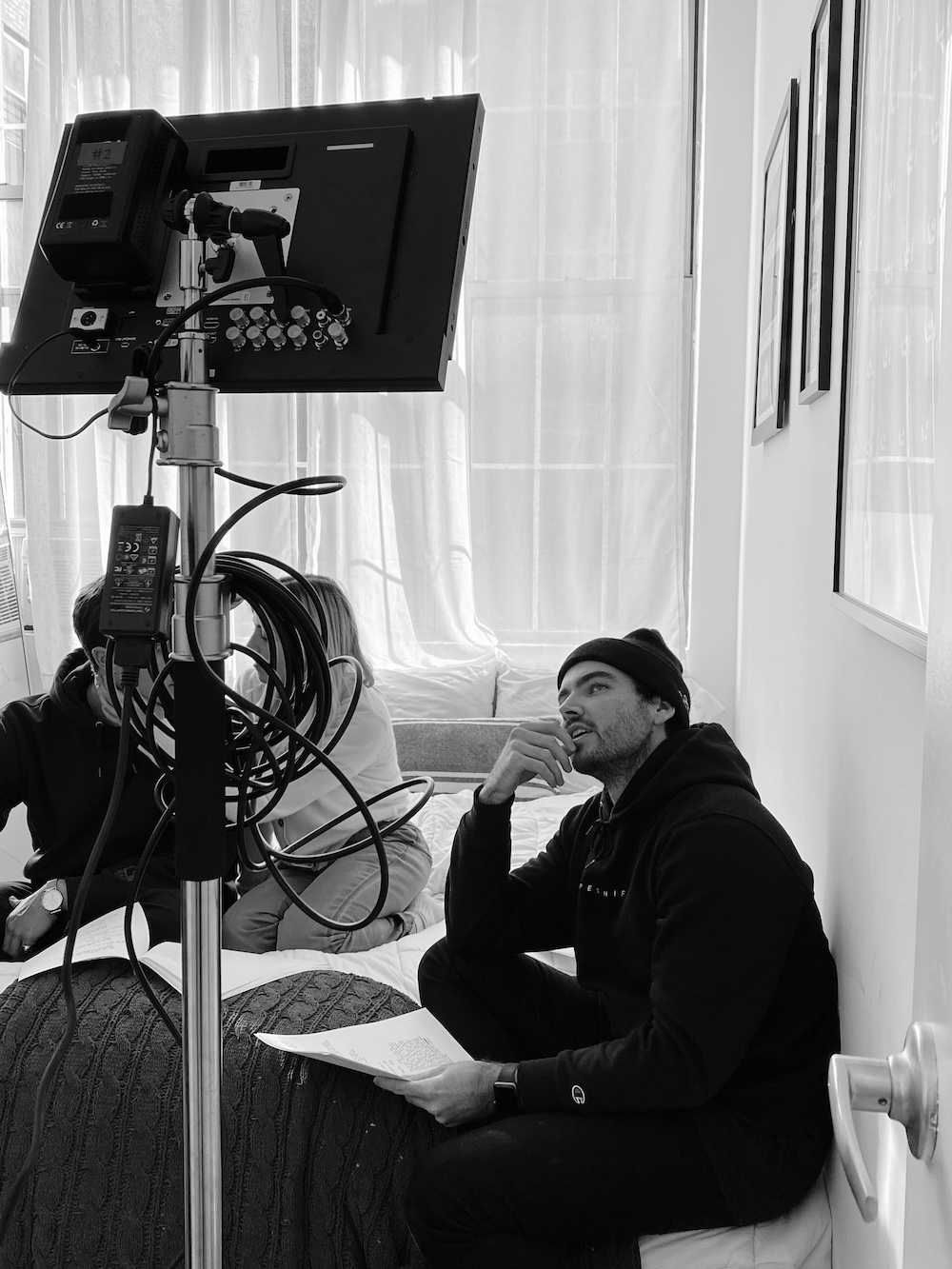
For me, I know I’ve found the “right” music when the music adds emotion to what I’ve written. I’ll read what I’ve written with the music in the background, and I can feel it adding to the emotion of what I’m saying. When it feels like an extension of the project, I know I’m in the right direction.
RELATED READS: How to Find the Right Song Faster With Musicbed’s Search Tools
Can you tell us more about the techniques you use to make storytelling more engaging and emotionally impactful?
I tend to lean into a more naturalistic world. I want lighting that feels organic, and I want to cast real people (or, at the very least, actors who can relate to the subject matter in the film). I think you can tell when someone is just acting and portraying someone they are not.
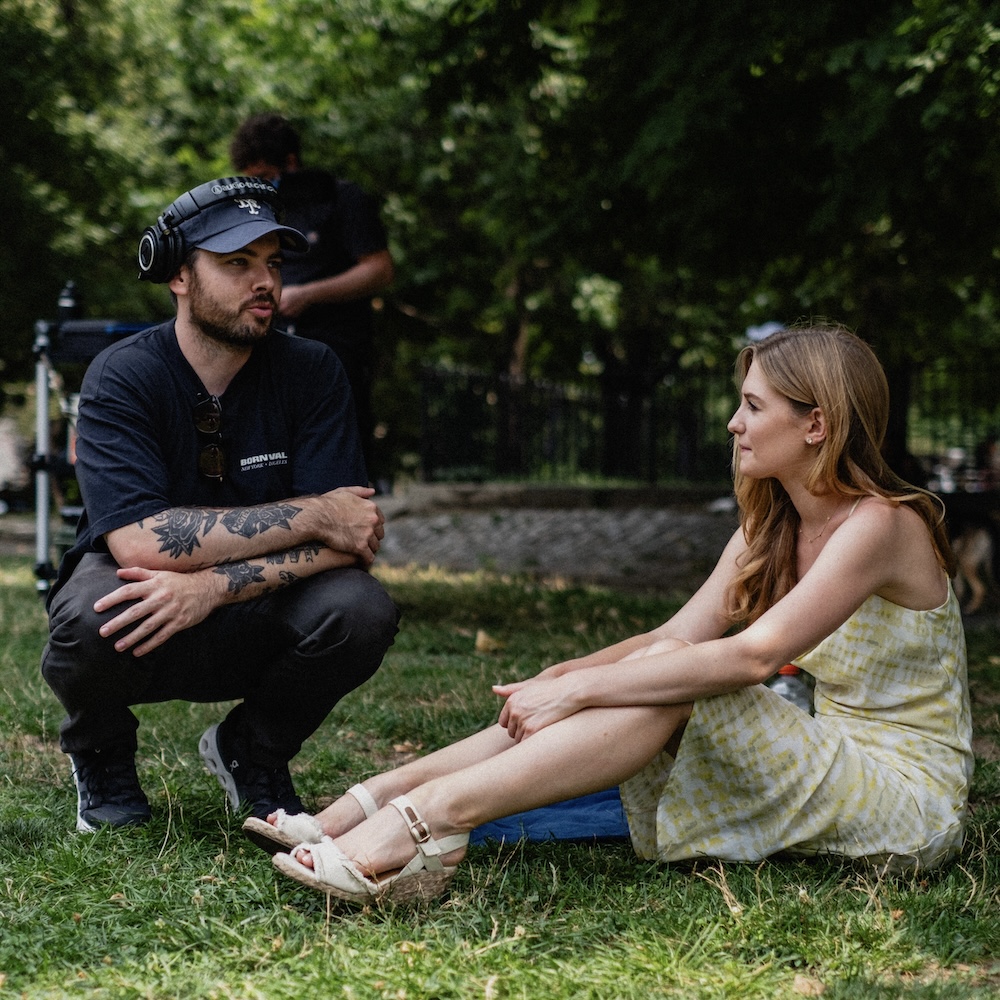
When you watch someone react and lean into a role in a raw and honest way, you can’t help but feel what they are feeling. That is what I chase on every project.
If I can create a world that feels real and lived in, I think the audience will relate to it more. That is always my north star for engaging and emotional storytelling.
RELATED READS: Parker Foster on Reshaping the Mental-Health Narrative With Honest Storytelling
What’s something that inspired you or caught your attention lately?
Anything recently that is just pure filmmaking without lots of CGI. Raw storytelling is what catches my attention. I think we are so accustomed to just seeing beautiful images and massive epic landscapes that I’m almost searching for simpler films to watch. Films that are human stories at the core.
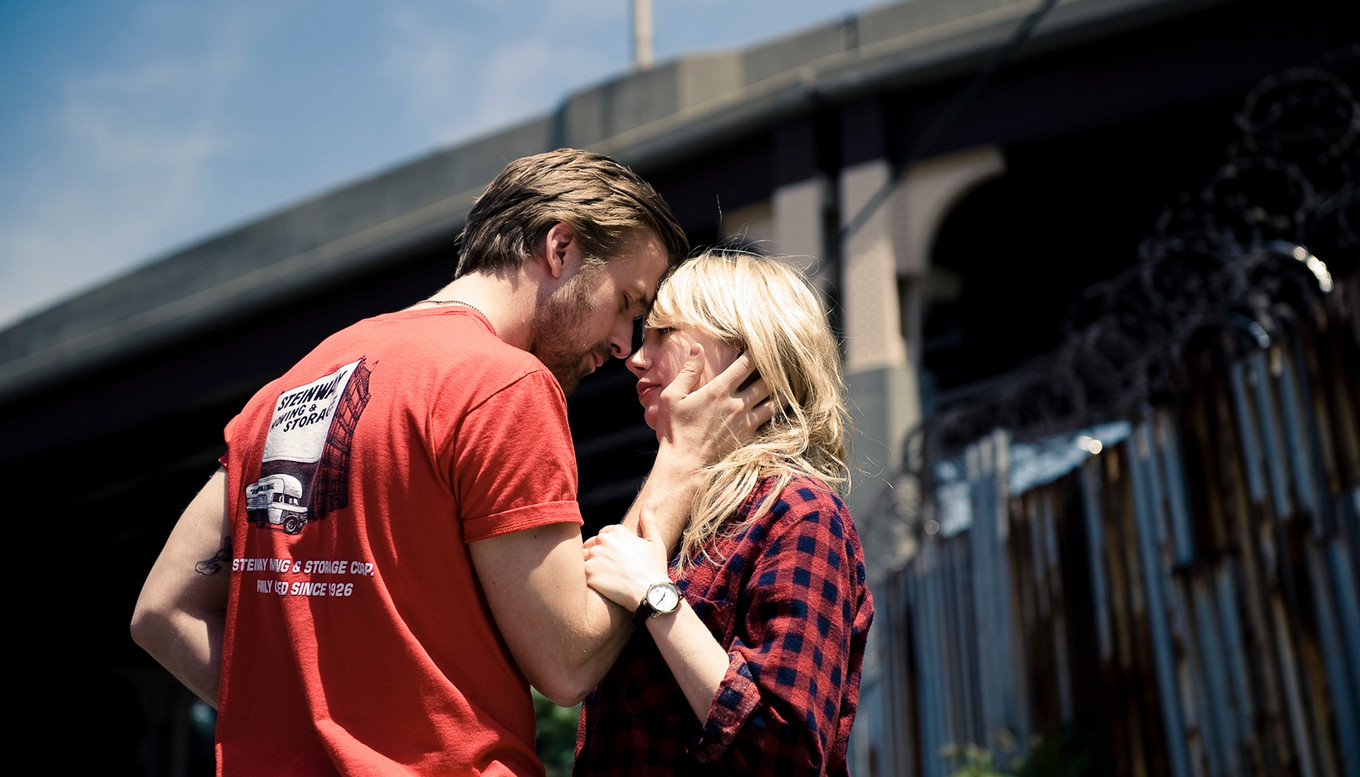
I find that Blue Valentine is always my North Star to go watch whenever I need to feel inspired.
On the commercial side, for recent work, I’m always moved by the work of Miles Jay and Marcus Ibanez.
What current filmmaking trends are you most excited about?
Growing up in skating, the entire language of that world is DIY and just making things happen with what you have.
I think we’ve hit the pinnacle with gear and are at a place where we don’t have to do anything to make the image better or more “cinematic.” It’s already there. So I’ve really enjoyed watching people just go make films with what they have and use that DIY approach.
I’m also seeing this with the new wave of filmmakers in their late teens and early 20s, just making YouTube videos and sharpening their creative sword by making what they want, how they want.
I hope the DIY trend stays across generations because it’s so freeing to just go make something by yourself or with friends, without any pressure or expectations, and use what you have.
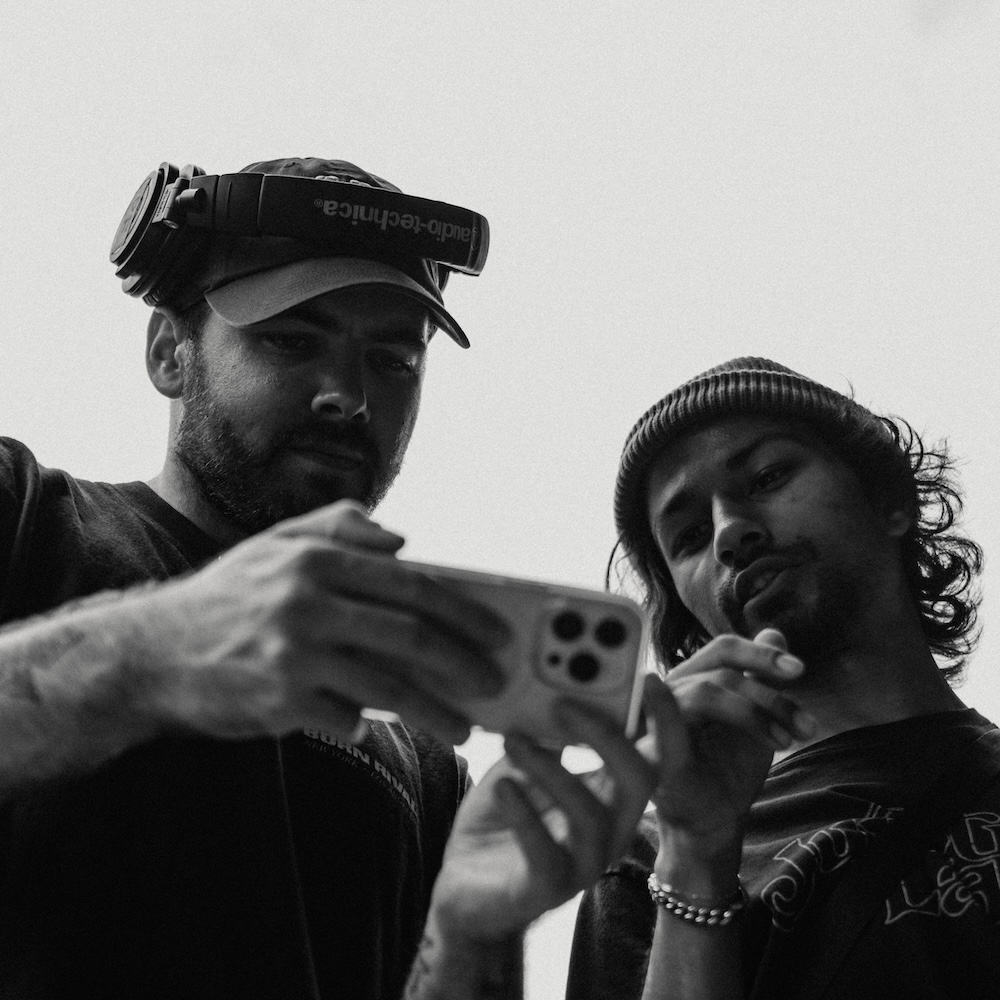
All of my favorite work has been the films I made with no money and with my friends. Resources, the best gear, and all the money do not equal work that will fulfill you internally or look the best.
Why would you recommend Musicbed as a resource for editors and filmmakers?
It’s a great resource because the library of music is not only plentiful but diverse and has lots of options. None of it sounds or feels like “stock” music. It’s real artists and real people behind the platform.
The biggest thing for me is that I’ve been using Musicbed and working with their team since 2017. The kindness and dedication the team has behind the scenes really is what keeps me using them, as well as the perfect curation of music.
RELATED READS: New Musicbed Homepage: There’s Always More to Music Discover
Explore What’s New