

















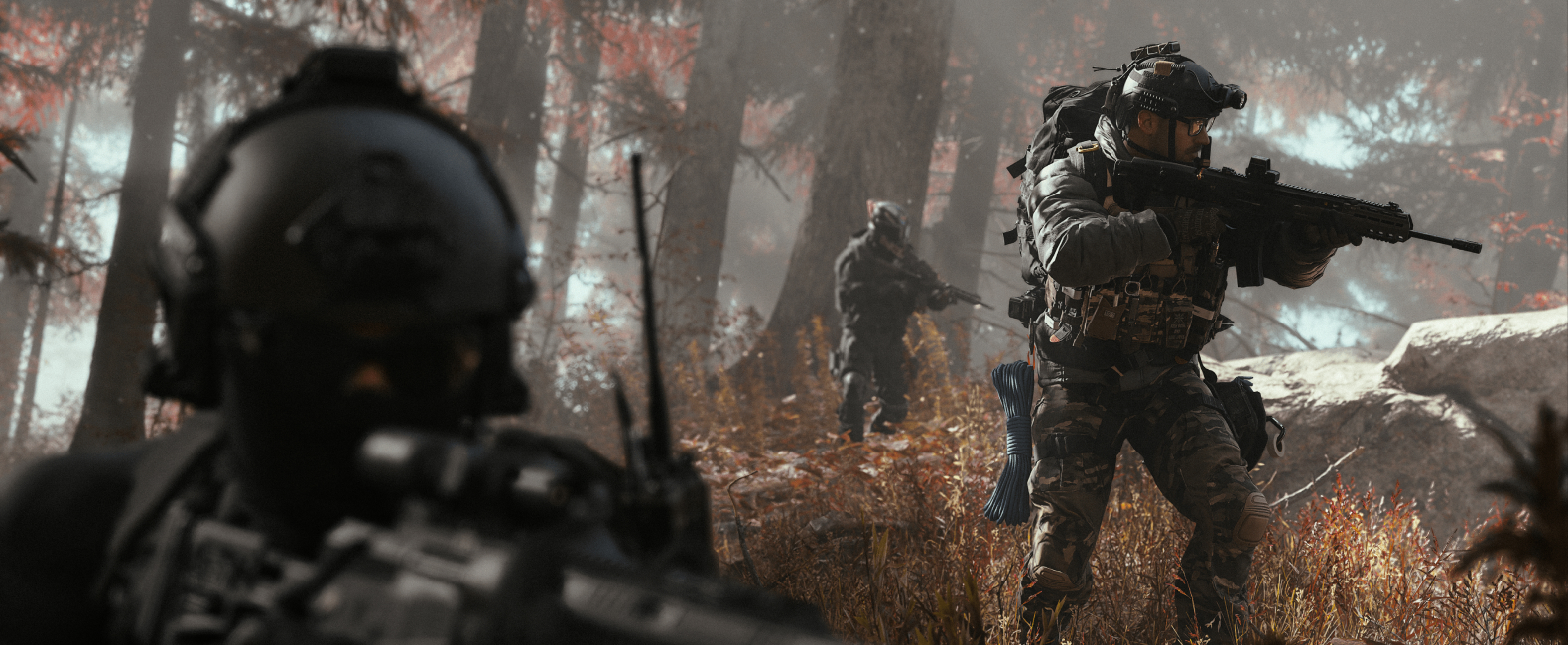
A radio playing in a car. Music spilling out of a nightclub. A song on the speakers at a gas station. For composer Ross Lara, these everyday details were central to his work on the Call of Duty soundtrack. His brief was to help build a believable music culture for the game’s Korean setting, with Korean artists and musicians at its center.
Drawing on his years working in K-pop, Ross reconnected with former collaborators and assembled a team to create twenty original pieces in roughly four months. The work spanned hip-hop, grunge, K-pop, and cinematic electronic music, with room to bring his own sound to each.
We spoke with Ross about those collaborations, the demands of moving between genres, and the simple piano riff that helped him find his footing.
Browse Ross Lara’s entire library of music, available to license on Musicbed.
MUSICBED: How did this project get started? Who reached out to whom?
Ross Lara: Spider Farm Productions reached out to me in February. Spider Farm is a comprehensive music production company that’s done some award-winning work, and the owner is a good friend I’ve worked with on several projects. He pitched the vision for the game and what my role would be in creating the Call of Duty soundtrack.
The legal work and paperwork took over a month, but my partner handles all of that, so I started writing in good faith right after the first call. I could tell the interest in getting me involved was strong, and I wanted a head start on getting into the headspace of the story.
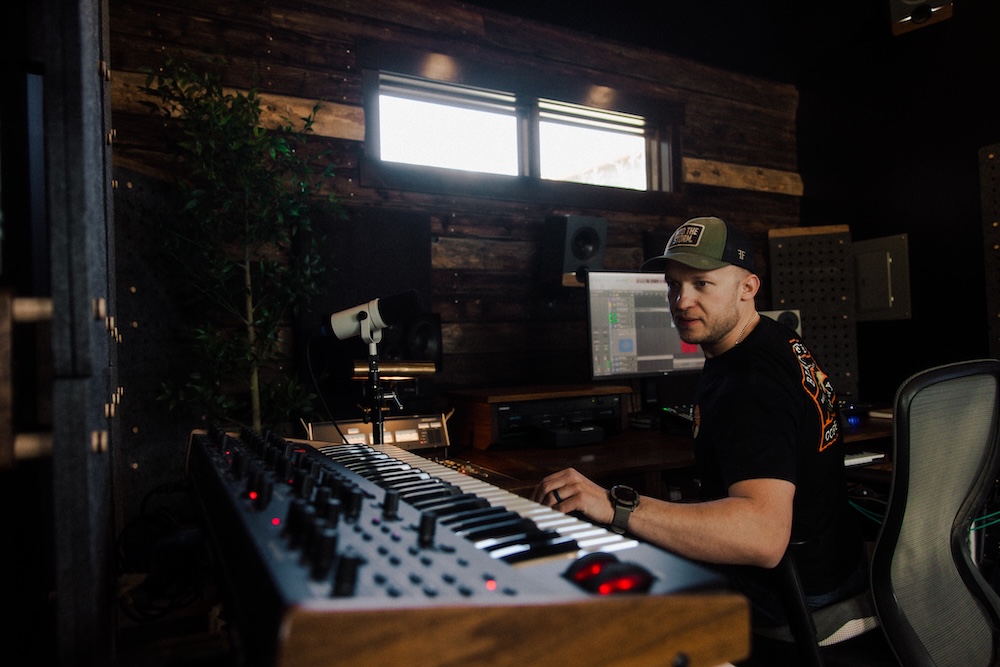
My job was to make music that made you feel like you were on the Korean peninsula. Call of Duty wanted it authentic: Korean musicians, Korean singers, Korean artists. That’s part of why they called me.
Starting in 2012, I worked heavily in K-pop and had a good run for about five years. When the call came, I phoned my partner Brian and said, “I haven’t talked to a musician or artist in Korea in over ten years.” He said, “Let’s put out the bat signal and see who picks up.” So I started calling old contacts and assembling a team.
What expectations come with scoring a game as influential and globally recognized as Call of Duty?
Very high ones. Nobody really talks about them. It’s understood when you sign on. But I hold myself to the highest standard on everything, small, medium, or large. I slave over every note and every bar and make sure my mixes and productions are interesting and fun. I don’t turn in anything that isn’t my best effort.
RELATED READS: Inside the Song Choice for Ubisoft’s “Rainbow Six Mobile” Global Launch Trailer
What was the collaboration like with the creatives and developers on the Call of Duty team?
The idea was to build an authentic Korean radio station, plus music outside the radio, so that wherever you are in the game, you hear what you’d actually hear in Korea.
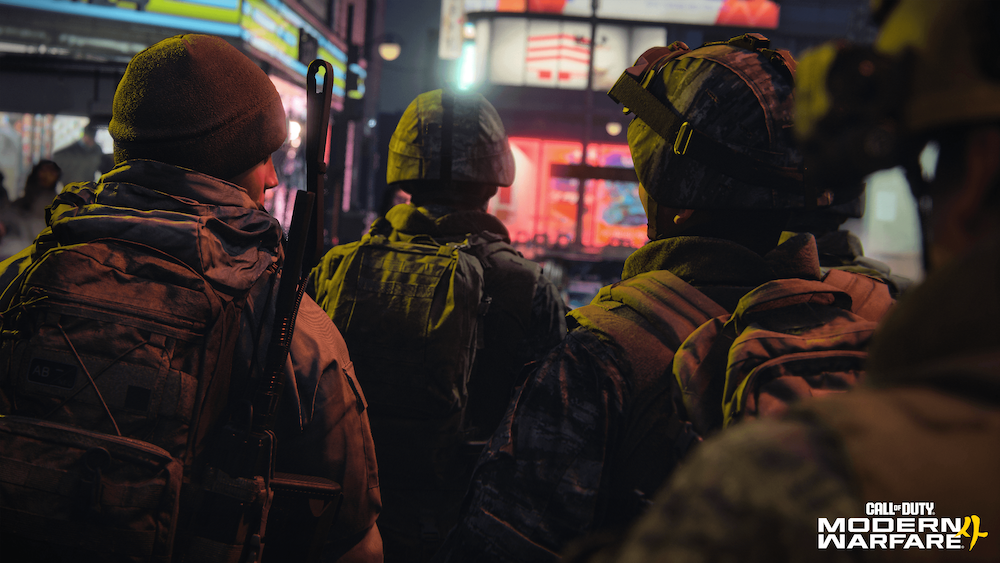
In a tank, driving a car, in a nightclub, at a 7-Eleven or a gas station in an alley. That meant writing electronic, grunge and rock, hip-hop and K-pop, and weaving those genres together with cinematic production and electronic textures. Every vocalist is a Korean artist singing in Korean.
Where did you go for inspiration? Other games, movies, popular music?
Honestly, not many places. The team gave me a general idea of what they wanted for the Call of Duty soundtrack, some hard-hitting stuff in the vein of Skrillex or The Prodigy plus the K-pop side, and then said, “Do what you do.”
I put together a reference playlist to show the direction I planned to go, but I didn’t lean on other games, films, or records much. When you’re brought onto a project like this, they want your sound. So I got to go ham.
Where did you have room to add your own flavor?
The whole darn thing. Every producer and composer has their own sound, and when they bring you on, they want yours. I was given a good amount of flexibility on the direction. The only specific request was that Prodigy note, and I loved that encouragement:
It’s Call of Duty. People are at war. So a lot of the electronic cinematic pieces are full-on ragers, and those were a blast to make.
RELATED READS: The Passion Behind Cody Fry’s Music
Which video game soundtracks have stuck with you the most, and why?
Not by coincidence, the earlier Modern Warfare games. And Doom. Mick Gordon’s Doom soundtrack is fantastic. The way he composed, engineered, produced, and mixed it. The saturation, the production, is just gnarly. It influences much of what you hear in my Call of Duty music and in my work outside of it.
Mick gave a talk at the Game Developers Conference years ago where he said, “Change the process, change the outcome.” I’ve piggybacked off that for years, in the studio and in life. Every day I ask myself what I can do differently to get a different result.
RELATED READS: What Video Game Soundtracks Can Teach Filmmakers About Music
When did you first feel like you’d found the sound for this game? Was there a particular piece that made it click?
About two weeks in. I had roughly four months to write twenty original pieces across a bunch of genres, some instrumental and some vocal with Korean collaborators. The first two weeks were the classic composer moment: you write the first sentence of the book, crumple up the paper, throw it on the floor, and start over.
Two weeks in, I still hadn’t found my voice on the project…
There’s also that typical composer insecurity: I’ve been doing this for twenty-plus years, and I’m wondering if I forgot how to play piano.
So I changed the process. I usually work surrounded by plugins, instruments, and synths, but I have two pianos in my room, and I decided to write a hip-hop track on the baby grand. I came up with a simple riff and an easy chord progression, and that was it.
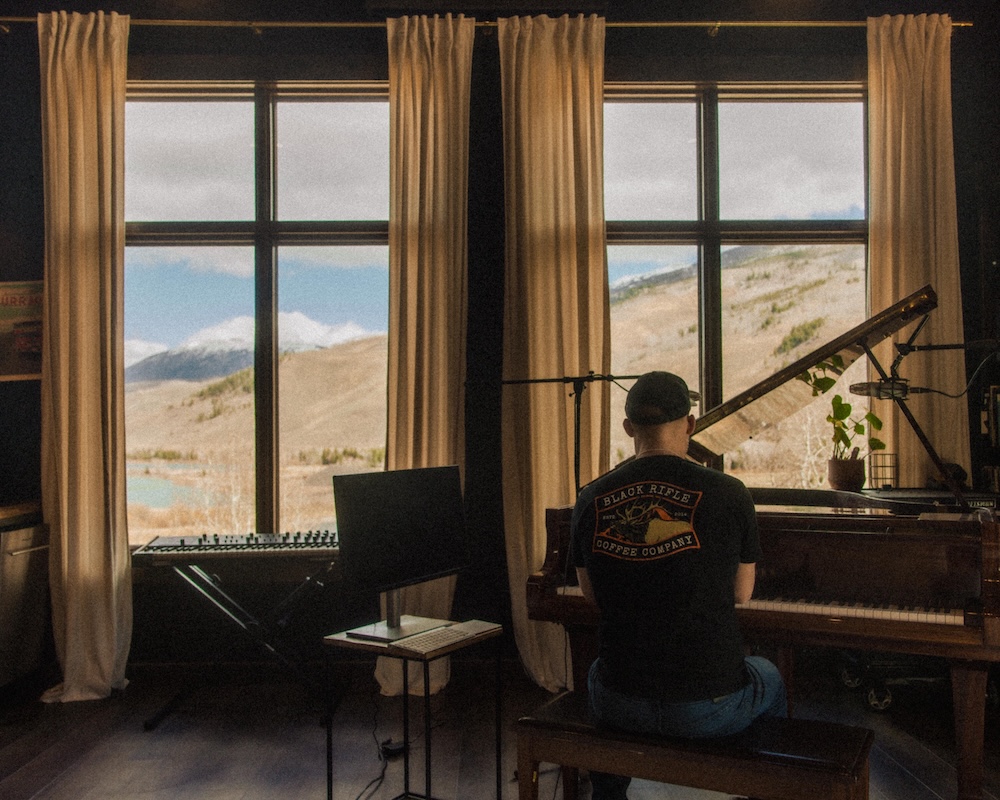
That demo became “Hol’ Up.” I sent it to the audio director with two other demos, and the response was “very promising — this is great.” From there it flowed like a hot knife through butter.
Sometimes that click happens in the first 24 hours. This time it took two weeks, and I didn’t sweat it.
RELATED READS: KAPTAN: You Hear a Song and Something Clicks
What makes scoring a video game different from your past projects? Are there gameplay or story elements that require a different creative approach?
Every project is different. I also score films and documentaries, and the biggest difference with games is intensity layers. You’re writing and producing extra layers that the game system triggers during a boss fight or an intense moment. Film is finite. The music that ends up on the dub stage is set in concrete. A game is always moving.
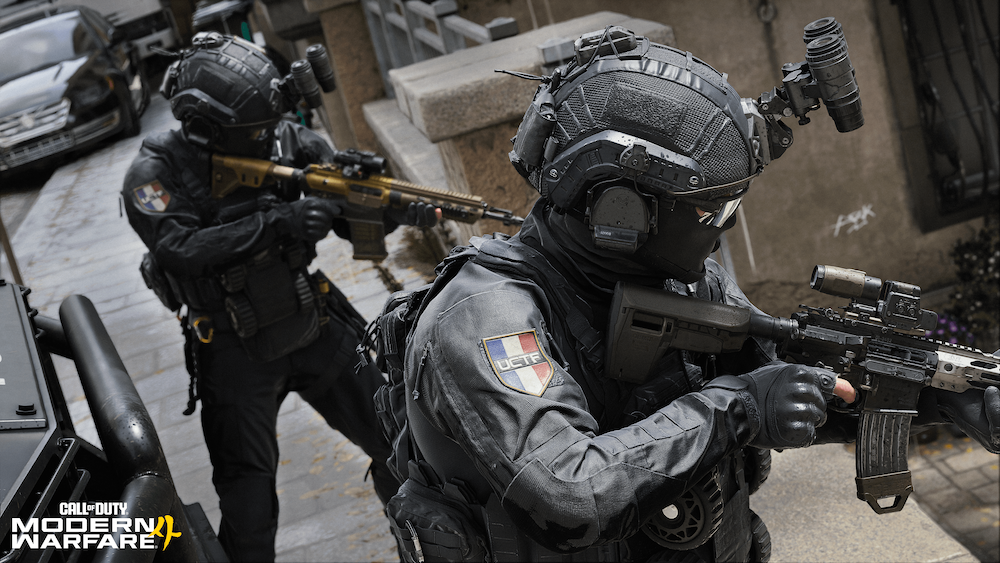
On this project, since so much of the music plays on in-game radio, most of it stands on its own without adaptive layers. We did some adaptive work, too. The bigger mindset challenge was jumping between genres. After finishing grunge rock and K-pop records, I had to switch to big, hard-hitting cinematic electronic.
About halfway through, the audio director asked me to lean into The Prodigy. I love them and thought it was a great reference, but going from those earlier genres into ’90s big beat while also working on a film was hard. With that much range in one spring and summer, you have to keep yourself fresh and take care of your mind, body, and soul so the creativity keeps flowing.
RELATED READS: The Filmmaking Benefits of Physical Activity
How did you decide when the music should take the lead and when it should leave space for dialogue, sound design, or silence?
The game engine and the audio team handle it. On a game this size, I’m one piece of the pie. The music team alone has multiple composers plus assistants and musicians. Spider Farm, which works directly with Infinity Ward, and the audio and music department there has dozens upon dozens of people, plus contractors.
We deliver the music. Then the audio teams use tools like Wwise or Unreal to get music, dialogue, and sound effects into the game, and adaptive real-time engines respond to what the player is doing. When gunshots go off, there’s probably automatic compression pulling the music down so nothing clashes. That’s outside my wheelhouse, but it’s seriously impressive, and those people deserve a tip of the hat.
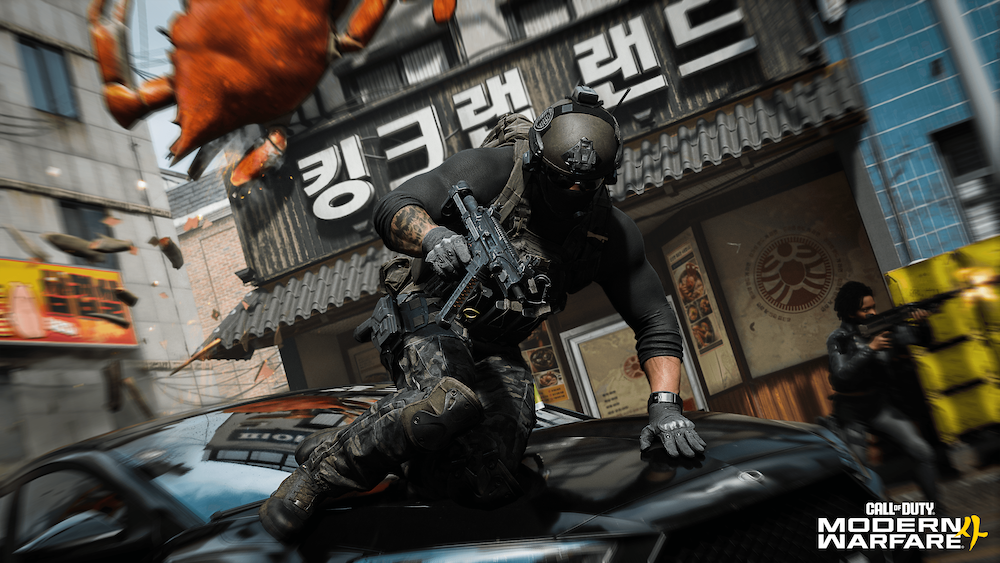
What did you want players to feel through the Call of Duty soundtrack? How do you hope it changes the way they connect with the game?
Our mission was to build a believable music culture that felt completely real inside the game: a war zone on the Korean peninsula, with music made by artists and musicians in Korea.
We wanted authentic, badass music that people would actually hear in that part of the world. And in the intense moments, the music had to match the energy a player feels in the middle of the fight.
Which moment in the finished Call of Duty soundtrack are you most proud of?
“Boondoggle” is probably my favorite of the electronic pieces. It’s like John Wick meets The Prodigy, and it goes hard. And “Hol’ Up,” the hip-hop track that came out of that first demo. Ruby did a hell of a job rapping on it and brought a real vibe. It’s a banging record.
—