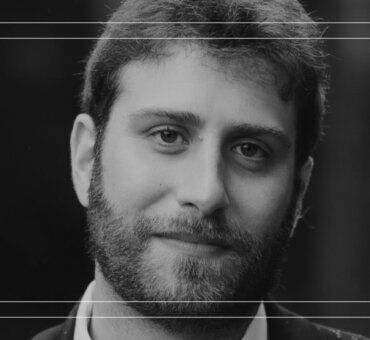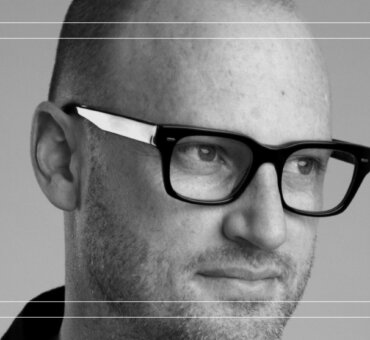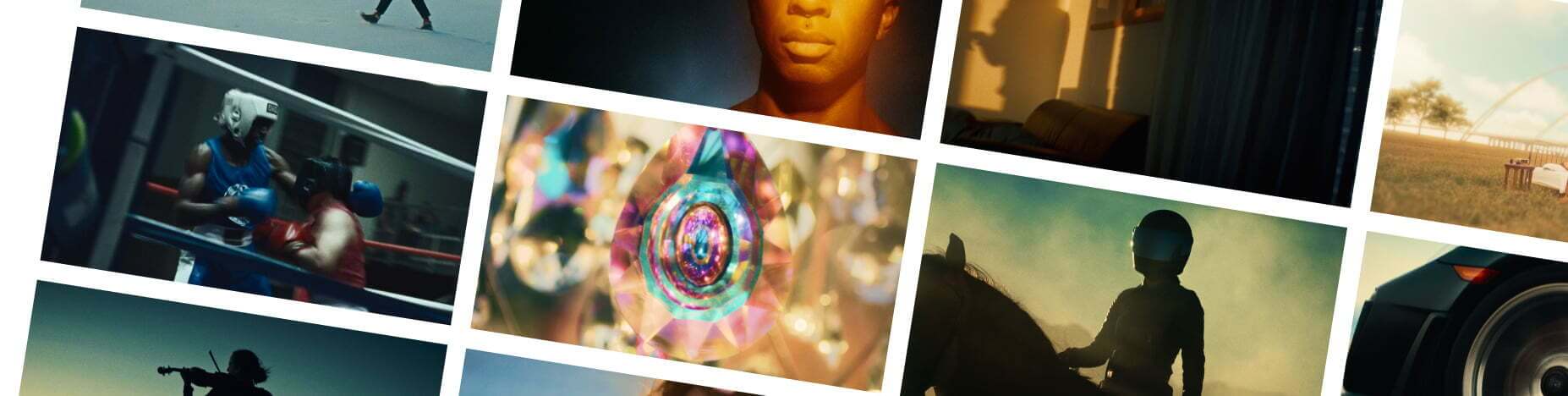
Landon Cox—Head of Production and Associate Creative Director at Filmsupply—sat down with award-winning editor Amy Rosenberg for a conversation about what really makes an edit land: not just technical precision, but rhythm, feeling, and intention.
Amy is a 2025 Film Independent Project Involve Fellow, represented by Cut+Run, with work spanning commercials, branded content, and narrative storytelling for brands like Calvin Klein, Vogue, NFL, Meta, and Dove
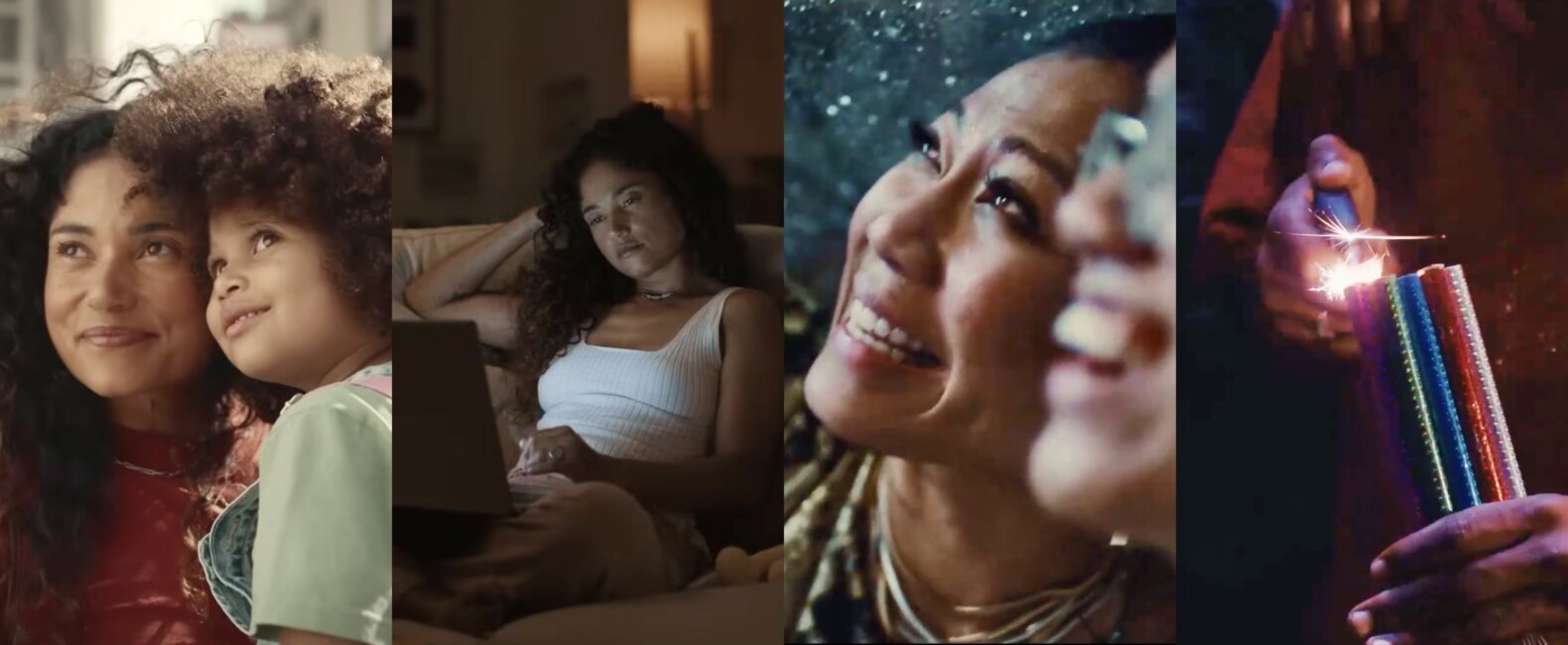
Her edit of Dove’s The Code earned an Anthem Award and a Cannes Titanium nomination, reflecting a commitment to stories that champion diversity and authentic representation.
In this conversation, Landon and Amy dig into the tools and instincts behind great editing, the role of music and sound in shaping meaning, how a dance background sharpens pacing, and why the best work creates an unmistakable connection.
Amy on Editing: Rhythm, Story, and Staying Human in a Faster Industry
Landon Cox: What got you into filmmaking—editing specifically?
Amy Rosenberg: I sort of fell into it. I’ve always loved movies. My dad and I would do double and triple features, and we even had a projector at home. I started in business school (and thought I’d go into fashion), but I hated it. After two months, I switched into a telecommunications program and took an editing course that just clicked.
We got an assignment with old cowboy footage, and I was the only one who cut it multiple ways—comedy, serious western, remix. My teacher pulled me aside and basically told me to keep going. I did—and here we are.
Landon Cox: Was there a movie that made you think, “I want to do that”?
Amy Rosenberg: This is embarrassing, but The Butterfly Effect. I was 12 or 13, and even if it doesn’t totally hold up now, the editing—jumping between storylines—made me curious. I remember trying to figure out how they pulled certain things off.
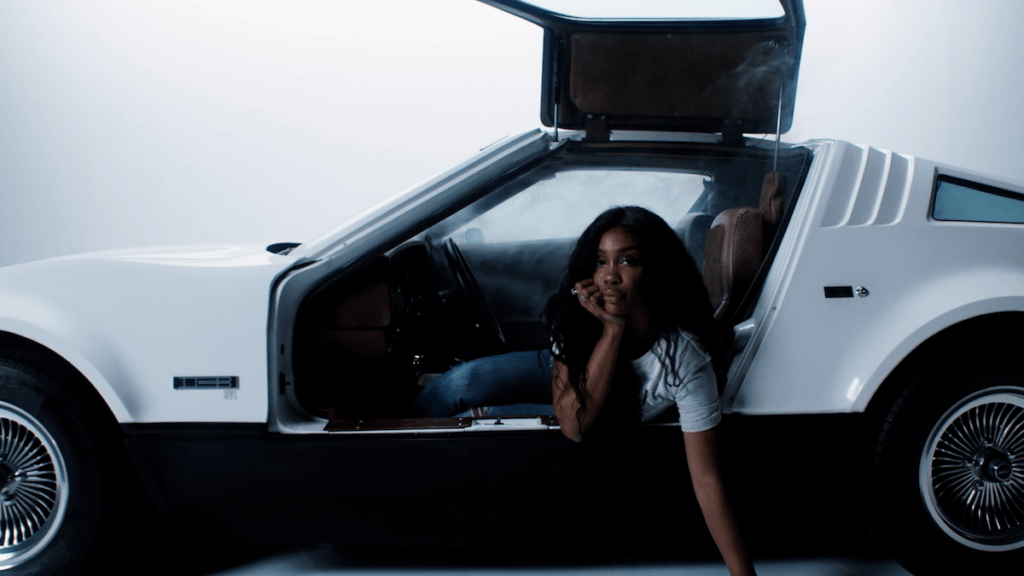
From Campus Edits to Commercial Work
Landon Cox: How did you go from school to professional work?
Amy Rosenberg: I knew I had to build a reel, so I became the go-to editor on campus—concert promos, event recaps, anything. DSLR cameras were coming out, social media was growing, and I started cutting fast-turn edits for festivals and events.
That style pushed me into fashion and beauty advertising in New York, which was perfect at the time because it combined two worlds I loved. Now I just wear a T-shirt and jeans every day.
RELATED READS: How Tucker Bass Turned a Craigslist Gig into a Thriving Career in Editing
Tools That Changed the Game
Landon Cox: How have your tools evolved over your career?
Amy Rosenberg: I’m trilingual—I know Avid (I don’t really use it now), I started on Final Cut, and eventually moved to Premiere. The biggest shift isn’t just the software—it’s how the tools now free you up creatively.
We used to spend so much time masking, roto, comping, round-tripping between Premiere and After Effects, waiting on renders. Now you can temp things quickly, auto-mask, and move way faster. The tools are letting editors spend more time in “what if” mode instead of technician mode.
Landon Cox: Any feature that’s been a personal favorite?
Amy Rosenberg: Transcript-driven workflow in Premiere. I do a lot of documentary-style and emotional work alongside faster commercial stuff, and being able to work inside the transcript—plus scene detection—has sped everything up. I think fast, I work fast, so anything that keeps up with that is a gift.
Switching Between Fashion, Docs, and Human Stories
Landon Cox: You’re really well-rounded. Do you switch mindsets for different genres?
Amy Rosenberg: Not in a dramatic way. I feel into the tone of each project, and I always start with a call with the director and agency: what are we trying to say, and what do we want people to feel?
Even in the flashy, quicker work, I’m still thinking about emotion. For fashion and beauty, I tap into more of a dancer mindset—rhythm, movement, choreography. For story-driven work, the emotional lens becomes the lead.
Why a Dance Background Helps an Editor
Landon Cox: Do you see dance as an asset to editing?
Amy Rosenberg: Absolutely. Rhythm and pacing are everything. Dancers hear music differently—you don’t always count it, you feel it. That’s shaped how I pace scenes, how I cut to music, and how I build momentum.
And honestly, choreography in commercials is having a moment again—and I love seeing it come back.
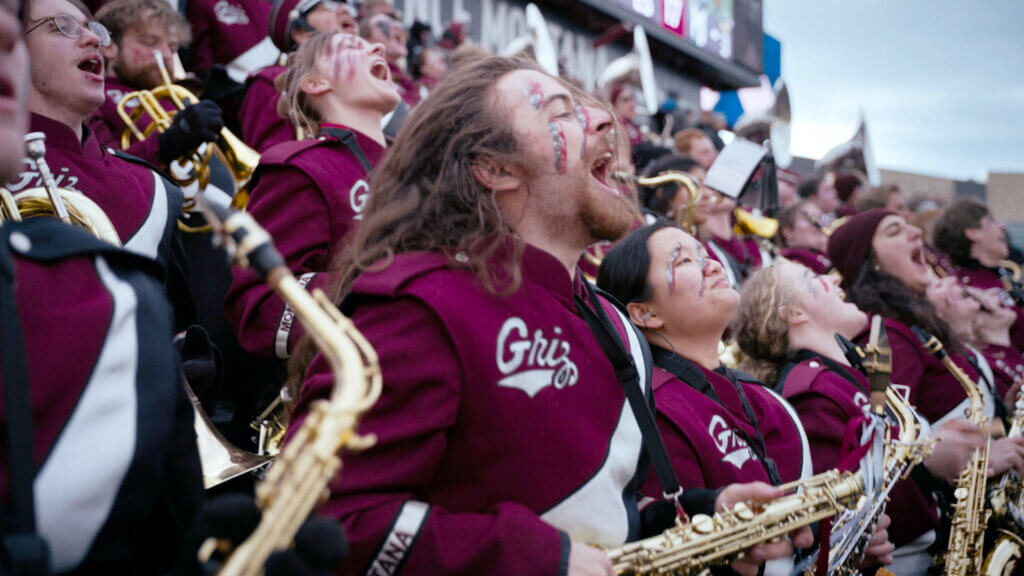
Music-First vs Visuals-First
Landon Cox: What’s your approach to music in a project?
Amy Rosenberg: For commercials? Music enters right away. A 30-second spot is often music and sound design-driven, and that’s one of my favorite things to build. Longer-form narrative is different—I’ll often start without music.
Sometimes I lay music down before I cut. Other times, I start with the visuals and find the right track after. It depends on the project.
Landon Cox: What tells you which path to take?
Amy Rosenberg: I’ll screen footage while listening to a playlist that fits the vibe—agency refs, director refs, or just things that feel right. I also have a working sequence called “As I Go,” where I start dropping in moments and notes while I’m pulling selects.
By the time I’m done, I usually know whether the project wants to be music-led or structure-led.
RELATED READS: The Art of the Edit: How the ‘Severance’ Team Crafts a Masterpiece
Editing in the Social Era
Landon Cox: How do you navigate the pressure for faster cuts and shorter attention spans?
Amy Rosenberg: You can feel the industry shifting. There’s so much more dynamic camera movement—drones, probe lenses, transitions—because you need to capture attention immediately.
In a perfect world, I’d love every spot to breathe at :60 or :90. But we’re constantly pushing toward :30, :15, :06. The challenge is keeping the integrity of the idea while still making something captivating in the first few seconds.
What Makes a Great Edit?
Landon Cox: What defines a great edit?
Amy Rosenberg: When you don’t notice it. When the pacing, rhythm, sound, and emotion are working so well that you’re just inside the experience.
And as an editor, I also love when something is sharp in a way that feels intentional—whether it’s invisible or bold. It’s about flow.
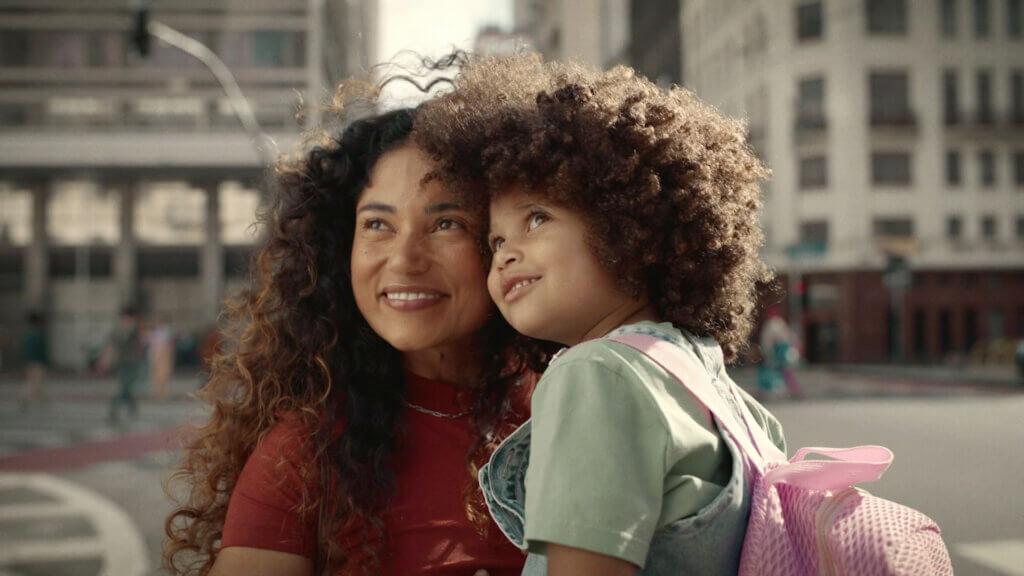
Staying Fast Without Losing the Work
Landon Cox: Deadlines are getting tighter. What’s helped you work faster?
Amy Rosenberg: I came up doing overnight edits—shoot all day, cut all night, post the next morning—so speed is kind of baked into my brain.
But what really helps now is trusting your gut and setting boundaries with time. I’ll literally set a timer and give myself an hour for an idea. If it’s not working, I move on or come back later. It keeps you from getting stuck trying to force something that isn’t clicking.
Also: stepping away. Even 20 minutes off the timeline gives you fresh eyes.
RELATED READS: The Power of Motion in an Edit With “Cut on Action”
Amy’s Best Practical Advice
Landon Cox: If you could give one piece of editing advice, what would it be?
Amy Rosenberg: Just get it on the timeline. Starting is the hardest part, and you can waste so much time obsessing over tiny choices before you even know what the edit needs.
Build a rough first cut—even if it’s messy. The best thing you can have is something to respond to.
A Closing Thought on Film
Landon Cox: Any closing thoughts?
Amy Rosenberg: Film—and editing—matters. It’s soulful and human and connective. There’s always a person behind the work. And in a time where everything is moving faster, I hope film continues to be one of the things that keeps us connected.
RELATED READS: Nic Larrabure on Crafting Emotional Stories Through Intentional Editing